Contents
show
How CRM for Event Management Simplifies Events and Follow-Up
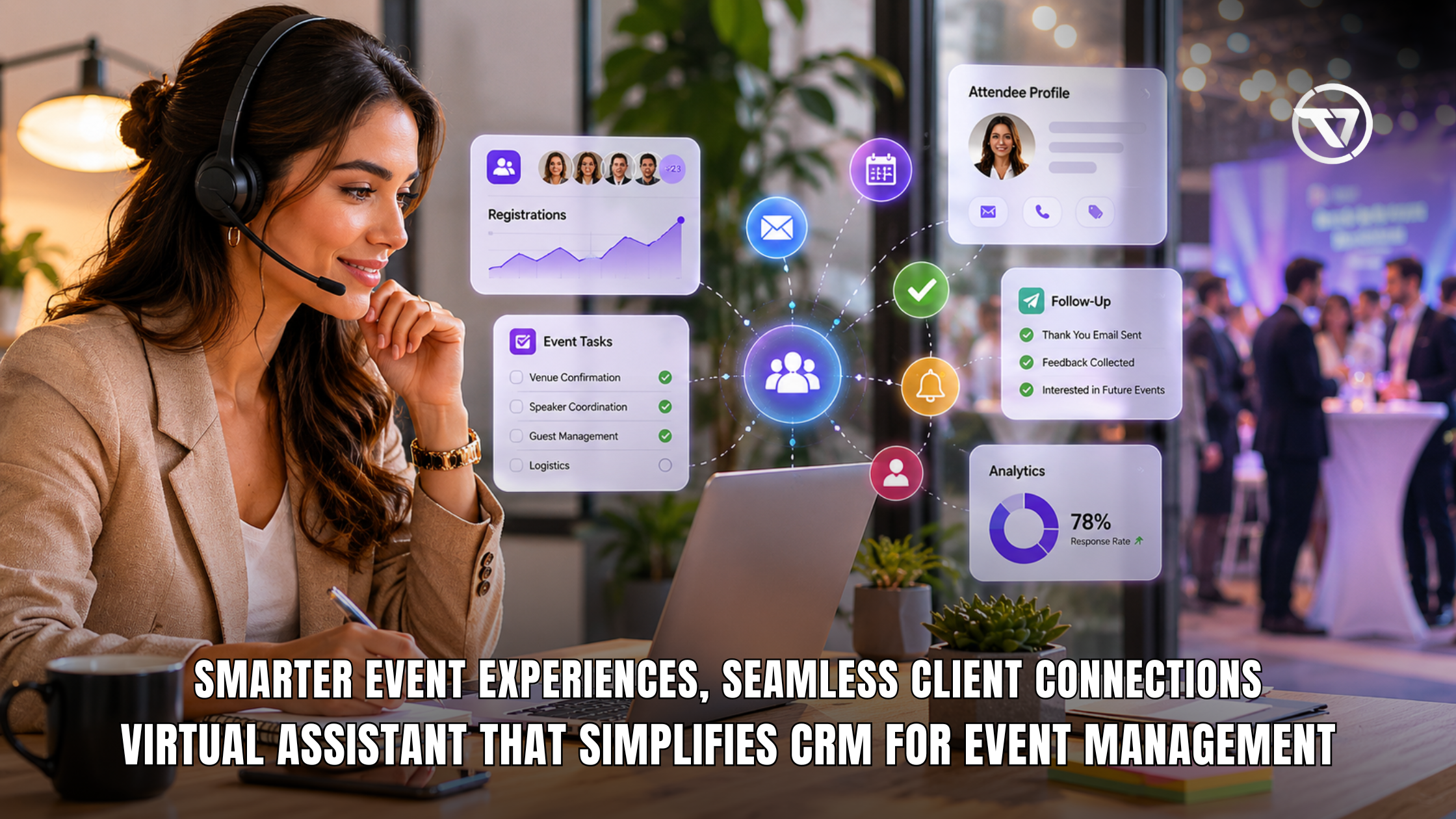
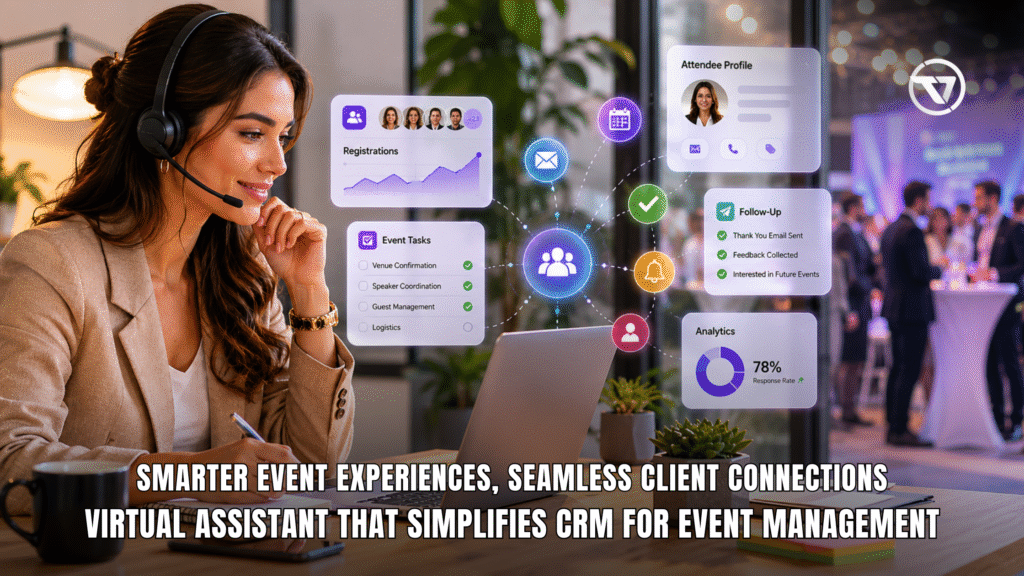
In the fast-paced world of American event planning, success depends on more than flawless execution on the day of the event. A robust CRM for event management has become essential for turning chaotic spreadsheets and disconnected tools into a seamless system. This covers everything from initial planning to long-term follow-up.
The U.S. event industry continues its strong rebound with rising costs, hybrid demands, and the need for measurable results. Modern CRM for event management solutions integrates attendee data, automates workflows, and tracks every interaction on a single platform, with 79% of event organizers now integrating their event platforms with CRM systems. This guide explores top options and real-world results for American event professionals.
Why Event Planners Need a Dedicated CRM in 2026
Event planners in 2026 face unprecedented pressure to deliver creative event design services while proving clear business value. The right CRM for event management serves as the central nervous system, connecting every stage of the event lifecycle. Choosing the appropriate solution can dramatically improve efficiency and outcomes for both small teams and large organizations.
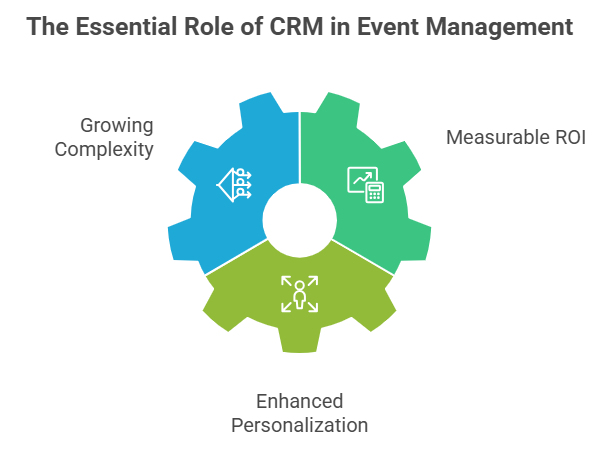
1. The Growing Complexity of Event Management
Event planning has evolved dramatically with planners juggling in-person, virtual, and hybrid formats. Without centralized data, teams waste hours switching between multiple platforms and tools. A CRM for event management eliminates data silos and enables smarter decisions throughout the entire process.
2. Measurable ROI and Data-Driven Insights
Event leaders face increasing pressure to demonstrate value through concrete metrics rather than just attendance numbers. A CRM for event management tracks the full attendee journey from registration to post-event sales conversions, turning qualitative experiences into quantifiable business outcomes. Companies using CRM systems report a 17% increase in lead conversions, along with improved retention and sales productivity, making these tools essential for justifying event budgets.
3. Enhanced Attendee Personalization and Engagement
Today’s attendees expect tailored experiences based on their preferences and past behavior. CRMs use rich data to segment audiences, send personalized invitations, and follow up according to individual actions. This drives higher satisfaction rates and better repeat attendance, which directly impacts future revenue in a competitive American events market.
Key Features of an Effective CRM for Event Management
Modern CRM platforms designed for events offer powerful capabilities that address the full lifecycle from planning through follow-up. These features help American event professionals work more efficiently while delivering better attendee experiences, with 68% of marketers now using event platforms that integrate directly with their CRM systems.
- Effective CRMs provide seamless registration forms that capture rich attendee data at the point of entry.
- Real-time check-in tools update attendee status instantly and reduce on-site bottlenecks.
- Marketing automation features send targeted emails and reminders based on attendee segments.
- Lead scoring capabilities help prioritize high-value prospects for better follow-up results.
- Mobile networking tools log all interactions directly back to individual attendee profiles.
- Advanced analytics dashboards deliver custom reports on attendance engagement and overall ROI.
Top CRMs for Event Management: 2026 Comparison
Selecting the right CRM for event management requires careful evaluation of your specific needs, scale, and budget. Several strong options dominate the market, each offering distinct advantages for American event planners, with 91% of companies with 10 or more employees now using a CRM system. The best choice depends on event size, team resources, and desired level of customization.
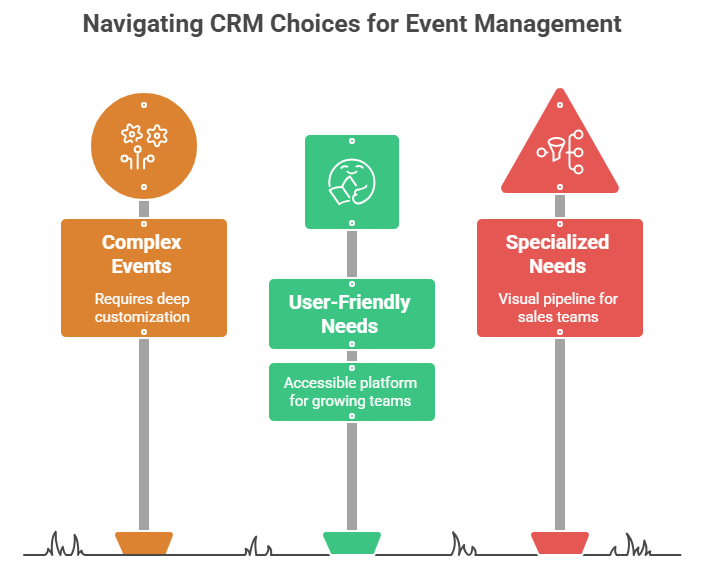
1. Salesforce: Enterprise Powerhouse for Complex Events
Salesforce stands out as a leading choice for large organizations handling complex events. It offers deep customization, scalability, and a robust ecosystem of event-specific applications. Teams benefit from powerful AI insights and seamless integration with specialized event management add-ons, making it ideal for major corporate conferences and multi-event series.
2. HubSpot: User-Friendly All-in-One Solution
HubSpot provides an accessible platform that combines a free CRM core with strong marketing tools. Its intuitive interface makes it suitable for growing event businesses and mid-market teams. Easy integrations with popular registration tools and built-in automation features deliver excellent value without steep learning curves.
3. Pipedrive and Other Specialized Options
Pipedrive excels with its visual pipeline management for sales-focused event teams. Other strong alternatives include Zoho CRM for affordability and HoneyBook for client-based planners handling weddings and corporate events. Smaller teams can start with more affordable options, while enterprises often prefer the advanced capabilities of larger platforms.
Implementing CRM for Event Management: Best Practices
Successful CRM adoption requires thoughtful planning and proper execution. Following proven strategies helps American event teams maximize their investment from day one.
- Audit existing data sources thoroughly before beginning any migration process.
- Define key data fields such as contact information, preferences, and event history early in the project.
- Invest adequate time in team training to ensure high user adoption rates.
- Connect the CRM to registration platforms and survey tools for smooth data flow.
- Run pilot tests with a small event to identify and resolve integration issues.
- Track important KPIs, including lead conversion rates and time saved on manual tasks.
Advanced Strategies: Maximizing Value from Your Event CRM
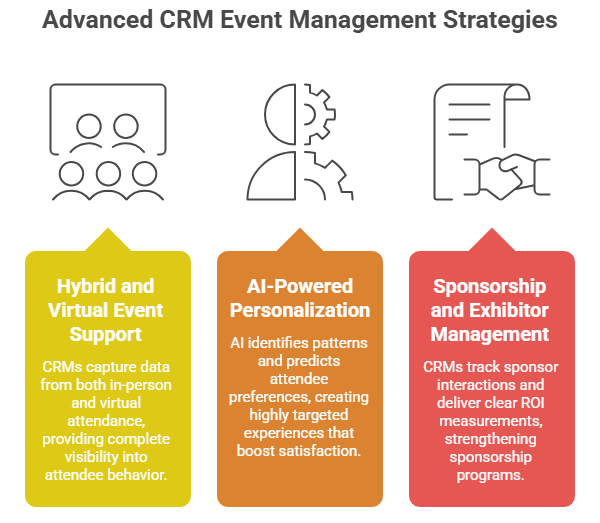
Taking full advantage of your CRM for event management goes beyond basic implementation. Advanced approaches help transform events into powerful engines for long-term relationships and revenue growth. These strategies position forward-thinking American planners ahead of the competition in 2026.
1. Hybrid and Virtual Event Support
The best CRMs handle both in-person and virtual attendance data with equal effectiveness. They capture chat logs, webinar marketing services, and session engagement metrics seamlessly across formats. This unified approach provides complete visibility into attendee behavior regardless of how participants choose to join the event.
2. AI-Powered Personalization
AI capabilities within modern CRMs identify patterns and predict attendee preferences with remarkable accuracy. These tools can flag likely no-shows or highlight high-engagement prospects for special attention. Event teams leverage these insights to create highly targeted experiences that significantly boost satisfaction and conversion rates.
3. Sponsorship and Exhibitor Management
Advanced CRMs track sponsor interactions and deliver clear ROI measurements through paid social marketing for partnership value. They help organizers manage exhibitor relationships and identify opportunities for future collaboration. This data-driven approach strengthens sponsorship programs and creates more attractive packages for potential partners.
Common Challenges and How to Overcome Them
Data quality issues often arise during CRM implementation for event management. Teams should implement validation rules and conduct regular audits to maintain clean, accurate information. Consistent data hygiene practices ensure reliable insights and smooth operations across all events.
Integration complexity can slow down adoption if not handled properly. Working with vendors that offer strong support or certified partners leads to smoother setups and fewer technical problems. A phased approach with thorough testing helps overcome most technical hurdles while minimizing disruption to ongoing event activities.
How Virtual Assistants Help With CRM for Event Management
Virtual assistants provide valuable support that helps event professionals maximize their CRM investment without hiring full-time specialists. They handle day-to-day tasks and technical details so planners can focus on delivering outstanding events.
- Virtual assistants manage data entry and maintain clean records inside the CRM system.
- They set up automated email sequences for pre-event promotion and post-event follow-up.
- Virtual assistants create detailed reports on event performance and attendee engagement metrics.
- They handle integration troubleshooting between the CRM and registration or payment platforms.
- Virtual assistants update attendee profiles based on interactions during and after events.
- They assist with lead scoring and prioritize follow-up tasks for sales conversion.
TaskVirtual: Your Partner in Event Management CRM Solutions
Implementing and managing a CRM for event management can be complex and time-consuming for busy American event planners. From data migration and system setup to daily operations and attendee follow-ups, the process often pulls focus away from creative event execution. TaskVirtual offers expert virtual assistants to handle CRM management, helping you handle attendee data, automate workflows, and optimize your event processes with professional support.
1. Expert Consultation and CRM Setup
TaskVirtual’s skilled virtual assistants help select the right CRM for event management, configure attendee databases, and design custom workflows tailored to your events. They assist with initial data import, integration setup, and staff onboarding to ensure your system runs smoothly from the start.
2. Affordable and Flexible Pricing
Hiring a full-time CRM specialist can be expensive, but TaskVirtual makes it cost-effective. With pricing plans starting from just $3.12/hour to $14.99/hour, their services are budget-friendly and accessible to individuals, families, and businesses.
3. Comprehensive Event CRM Support Solutions
From building targeted attendee segments and automating marketing campaigns to managing post-event nurturing sequences, TaskVirtual covers every aspect. Their scalable services adapt to whether you need occasional support for a single event through an event planning virtual assistant or ongoing management across multiple events.
4. Ongoing Support and Quality Assurance
TaskVirtual provides continuous monitoring, performance optimization, and real-time troubleshooting for your CRM system. Their proactive support ensures data accuracy, timely follow-ups, and maximum ROI from your event management efforts.
5. Proven Track Record of Excellence
With 364 positive reviews and a 4.7-star rating on trusted VA platforms, TaskVirtual is recognised as a reliable partner worldwide. Clients count on their expertise to simplify CRM operations and streamline event management tasks.
FAQ Section
1. What is the best CRM for event management?
Salesforce often ranks highest for enterprise needs due to its power and ecosystem, while HubSpot suits smaller to mid-sized teams seeking ease and affordability. The “best” depends on your scale, budget, and event complexity.
2. How does a CRM improve event ROI?
By tracking the full attendee journey, automating follow-ups, and providing detailed analytics, CRMs help convert more leads and measure true impact beyond attendance numbers.
3. Can small event planners benefit from CRM?
Absolutely. Affordable options like HubSpot’s free CRM or Pipedrive allow small teams to organize contacts, automate marketing, and scale operations efficiently.
4. What features should I prioritize in a CRM for events?
Focus on attendee management, marketing automation, mobile check-in, post-event nurturing, and robust analytics with strong integrations.
5. How long does it take to implement an event CRM?
Basic setup can take weeks, while full customization and data migration for larger operations may require 1-3 months, including training.
6. Is CRM integration necessary with event registration tools?
Yes. Direct integration prevents data loss and enables real-time updates, significantly improving efficiency and attendee experience.
Conclusion
Investing in the right CRM for event management is no longer optional for serious American event professionals. It streamlines planning, boosts engagement, delivers actionable insights, and drives measurable business results from registration through long-term follow-up. As the industry grows—with strong projections for U.S. events—teams equipped with integrated CRM technology will lead in attendee satisfaction and ROI.
Ready to transform your events? Evaluate your current processes, identify pain points, and schedule demos with top platforms like Salesforce or HubSpot. The future of successful event management is data-driven, personalized, and fully connected—start building that foundation today.
CTA: Contact a CRM specialist or visit Salesforce.com / HubSpot.com to begin your free trial and see the difference for your next event.
Sources
- Statista (various event market reports)
- Cvent Event Statistics 2026
- WebFX CRM Statistics
- Grand View Research / Industry reports on event software
- Vendor sites and comparisons (Salesforce, HubSpot, Pipedrive) via referenced analyses
For more such content, visit our website.
 Siddhartha Basu is a Technical Writer at Task Virtual. He loves online games, e-book reading, and Yoga.