

Contents
show
How CRM Contact Management & Database Mastery Drives Growth
In today’s hyper-competitive business landscape, effective CRM contact management and database management are essential for building strong customer relationships and driving growth. Businesses that excel at CRM database management create actionable customer profiles that support smarter decisions across sales, marketing, and service teams. With AI tools, remote work, and stricter data privacy rules shaping 2026, mastering CRM contact and data management has become critical for U.S. companies of all sizes.
This guide provides practical strategies for organizing contacts professionally, maintaining high-quality databases, and turning customer data into a genuine competitive advantage. According to research, businesses with strong CRM practices experience up to a 29% increase in sales revenue.
Understanding CRM Contact Management
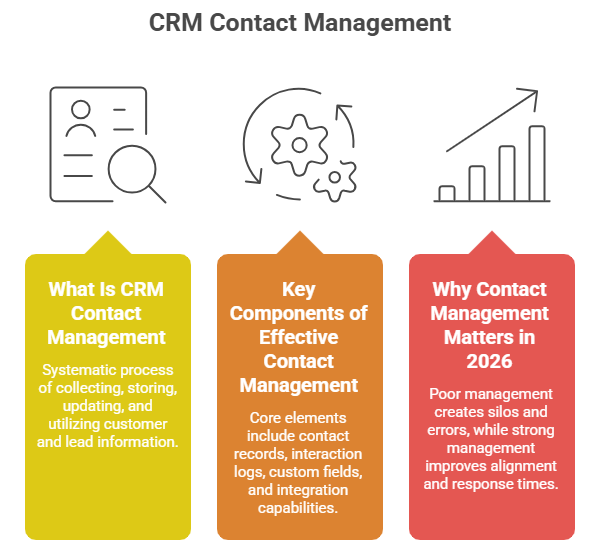
CRM contact management forms the foundation of any successful customer relationship strategy. It enables businesses to collect, organize, and leverage contact information in ways that improve engagement and drive results. When done right, it transforms scattered data into a powerful asset for personalized communication and long-term customer loyalty. According to HubSpot, businesses with well-managed CRM contact systems report a 42% higher customer retention rate.
1. What Is CRM Contact Management
CRM contact management is the systematic process of collecting, storing, updating, and utilizing customer and lead information within a centralized platform. It goes far beyond simple address books by tracking interactions, preferences, purchase history, and communication patterns to create a complete 360-degree view of every contact.
2. Key Components of Effective Contact Management
Core elements include contact records (names, emails, phones, companies), interaction logs (emails, calls, meetings), custom fields for industry-specific data, and integration capabilities with email, calendars, and marketing tools. High-performing setups also feature data enrichment from external sources and real-time updates.
3. Why Contact Management Matters in 2026
With exploding data volumes from multiple channels, poor crm contact management creates information silos, duplicated efforts, and costly errors that hurt American businesses. Companies that prioritize strong contact management enjoy better team alignment, faster customer response times, and more relevant engagement across diverse U.S. markets. In an era of rising customer expectations, organized contact data helps businesses stay agile and competitive while reducing wasted marketing spend and missed opportunities.
The Importance of CRM Database Management
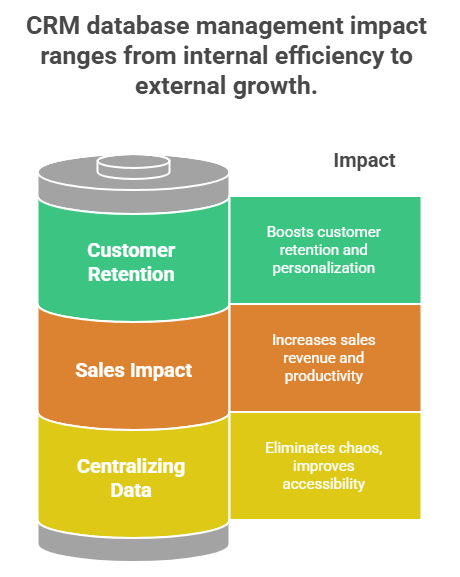
CRM database management serves as the backbone of modern customer-focused operations. It ensures all customer information remains accurate, accessible, and secure across departments. Proper database practices help U.S. businesses eliminate chaos and make confident, data-driven decisions. According to Gartner, organizations with strong CRM database management practices improve decision-making accuracy by 65%.
1. Centralizing Your Customer Data
CRM database management creates a single source of truth by consolidating scattered spreadsheets, emails, and documents into one reliable system. This centralization is especially valuable for remote and hybrid teams common in American workplaces, reducing errors and improving overall accessibility. Teams gain instant visibility into complete customer histories without hunting through multiple tools.
2. Impact on Sales and Productivity
Companies that implement strong crm data management typically achieve a 29% increase in sales revenue and a 34% improvement in sales productivity. Additionally, 91% of companies with 10 or more employees now rely on CRM systems. Well-organized databases enable sales teams to close deals up to 23% faster by cutting down on administrative work and providing quick access to critical information.
3. Customer Retention and Personalization Benefits
Accurate crm data management powers personalized customer experiences that build stronger loyalty. Personalized digital marketing campaigns using CRM insights deliver 14% higher click-through rates, while strong database practices can boost customer retention by up to 27%. These benefits help American businesses reduce churn and increase lifetime customer value through more relevant and timely interactions.
Best Practices for Organizing Contacts Like a Pro
Implementing strong crm contact management practices requires clear processes and consistent execution. Following proven methods helps maintain clean, useful databases that support business growth. These strategies work effectively for both small businesses and larger enterprises across the United States.
- Establish clear data entry standards with minimum fields like name, email, company, and source.
- Use segmentation and tagging by lifecycle stage, demographics, and behavior for targeted campaigns.
- Schedule regular data cleaning to remove duplicates and update outdated records.
- Leverage automation for syncing interactions and enriching records.
- Train team members on proper contact management practices.
- Set up validation rules and alerts to prevent bad data entry.
Choosing and Implementing the Right CRM Tools
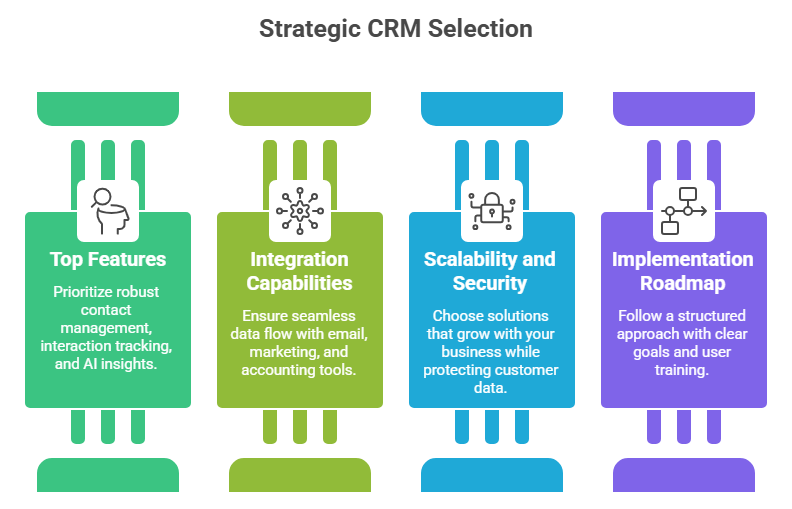
Selecting the best CRM solution is a critical step toward achieving true crm database management excellence. The right platform should align with your business size, industry, and specific needs. Thoughtful implementation ensures maximum adoption and return on investment.
1. Top Features for Database Mastery
When evaluating tools, prioritize robust contact management capabilities, comprehensive interaction tracking, mobile access, AI-powered insights, and detailed reporting features. These elements help businesses maintain accurate records and gain actionable intelligence from their customer data. Look for systems that support custom fields tailored to your industry.
2. Integration Capabilities
Strong integration with email platforms, marketing funnel automation tools, accounting software, and e-commerce systems creates a seamless workflow. This connectivity allows data to flow automatically between platforms, saving time and reducing manual entry errors. American businesses benefit greatly from unified customer views across all touchpoints.
3. Scalability and Security Considerations
Choose solutions that can grow with your business while offering enterprise-grade security features. Role-based access controls, data encryption, and compliance with regulations like CCPA are essential for protecting sensitive customer information. Scalable cloud options ensure performance remains strong as your contact database expands.
4. Implementation Roadmap for Success
Follow a structured approach by first defining clear goals and success metrics for your CRM initiative. Carefully migrate existing data, customize fields to match your processes, and provide thorough training to all users. Monitor adoption rates closely during the initial months and make adjustments based on team feedback for smoother long-term results.
Advanced Strategies for CRM Data Quality and Security

Maintaining superior data quality and security should be an ongoing priority in any crm database management system. Advanced approaches help businesses protect their information while maximizing its value. These strategies ensure long-term reliability and customer trust.
- Implement validation rules and enrichment services for accurate records.
- Use AI tools to predict behavior and score leads.
- Maintain consent records and honor opt-outs promptly.
- Conduct regular privacy audits and security assessments.
- Establish reliable backup and recovery procedures.
- Apply role-based permissions to control data access.
Measuring Success and Optimizing Performance
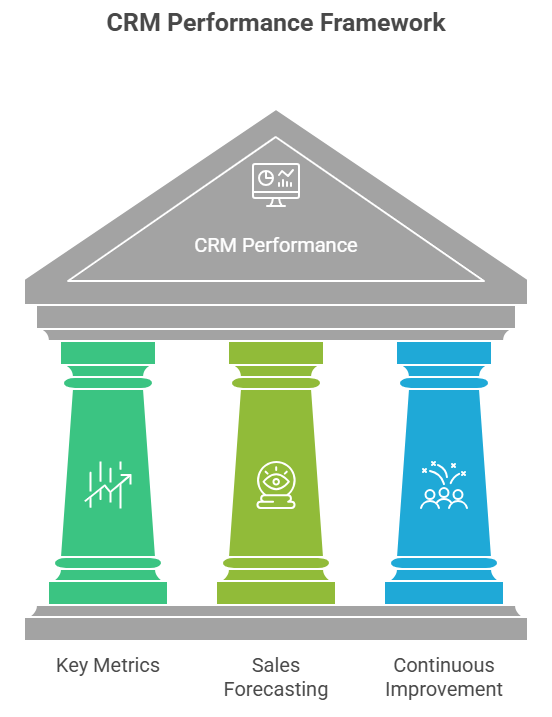
Tracking performance is essential for getting the most value from your CRM contact management efforts. Regular measurement helps identify strengths and areas needing improvement. Continuous optimization ensures your database continues supporting business growth effectively.
1. Key Metrics to Track
Focus on monitoring data completeness rates, duplicate record percentages, user adoption levels, lead conversion improvements, and overall return on investment. These indicators reveal how well your crm data management system performs and where adjustments may be needed. Many businesses also track engagement metrics to measure the effectiveness of personalized outreach.
2. Sales Forecasting Accuracy
CRM systems with strong database practices typically improve sales forecasting accuracy by an average of 42%. Reliable data leads to more confident predictions and better resource allocation across sales teams. This enhanced accuracy helps American companies plan more effectively for growth.
3. Continuous Improvement Processes
Review CRM performance on a monthly basis and gather feedback directly from team members who use the system daily. Make ongoing refinements based on real usage patterns and evolving business needs. Companies that enable mobile CRM access often see significantly higher quota attainment rates compared to those that do not.
Common Challenges and How to Overcome Them
Data silos and resistance to new systems remain common obstacles when improving crm contact management. Teams often stick with old spreadsheets out of habit, creating fragmented information. Leadership must demonstrate benefits and provide training to drive proper adoption.
High data volumes and privacy concerns also challenge growing businesses. Automation and scalable cloud solutions help manage large databases efficiently. Companies must balance personalization with privacy through regular audits and clear policies.
How Virtual Assistants Help With CRM Contact Management & Database Management

Virtual assistants can significantly ease the burden of managing CRM systems with CRM virtual assistant service for busy American businesses. They handle time-consuming tasks while ensuring high data quality and compliance, allowing teams to focus on sales and customer relationships.
- Virtual assistants perform regular data cleaning to remove duplicates and update outdated contacts.
- They organize and segment contacts for more effective targeted campaigns.
- VAs set up automation rules for interaction tracking and record enrichment.
- Virtual assistants ensure proper data entry standards across the team.
- They monitor database security and maintain compliance with privacy regulations.
- VAs generate useful reports to support better decision-making.
TaskVirtual: Your Partner in CRM Contact Management

Managing CRM contact management and database maintenance can be time-consuming and complex for busy American businesses. From cleaning duplicate records to ensuring data accuracy and staying compliant, these tasks often pull focus away from core sales and growth activities. TaskVirtual provides expert virtual assistants for CRM handling, which simplifies CRM contact management and database management so you can focus on building relationships and closing deals.
1. Expert CRM Consultation and Setup
TaskVirtual’s skilled virtual assistants help evaluate your current CRM system, organize contacts, implement best practices, and ensure proper data segmentation and tagging for optimal results.
2. Affordable and Flexible Pricing
Hiring a full-time CRM specialist can be expensive, but TaskVirtual makes it cost-effective. With pricing plans starting from just $3.12/hour to $14.99/hour, their services are budget-friendly and accessible to small businesses, teams, and growing enterprises.
3. Comprehensive CRM Database Support
From data cleaning and deduplication to automation setup, contact enrichment, and regular database management service, TaskVirtual covers everything needed for a high-performing CRM system that scales with your business.
4. Ongoing Support and Quality Assurance
TaskVirtual delivers continuous monitoring, updates, and proactive alerts to keep your CRM database accurate and secure. Their support ensures your contact management system remains efficient without ongoing stress.
5. Proven Track Record of Excellence
With 364 positive reviews and a 4.7-star rating on trusted VA platforms, TaskVirtual is recognised as a reliable partner worldwide. Clients count on their expertise to simplify CRM contact management and streamline database operations.
FAQ Section
1. What is the difference between CRM contact management and database management?
Contact management focuses on individual records and interactions, while crm database management encompasses the broader system, including storage, quality, security, and reporting across all data.
2. How often should I clean my CRM database?
Perform full audits quarterly, with ongoing automated checks for duplicates and accuracy. Consistent maintenance prevents revenue loss from poor data.
3. Which CRM features are most important for small businesses?
Contact management, interaction tracking, mobile access, and basic automation top the list for most U.S. small businesses.
4. Can CRM contact management improve customer retention?
Yes—strong practices lead to better service and personalization, with reported retention increases of up to 27%.
5. What are the risks of poor CRM data management?
Businesses risk losing revenue (often over 10%), making inaccurate decisions, facing compliance issues, and damaging customer trust.
6. How do I get my team to adopt better contact management habits?
Provide training, show direct benefits like time savings, and integrate tools into daily workflows with leadership modeling.
Conclusion
Mastering CRM contact management and CRM database management transforms how your business interacts with customers, turning data into a powerful competitive advantage. By implementing the strategies outlined here—centralized systems, rigorous data practices, smart tools, and continuous optimization—American businesses can achieve higher sales, stronger loyalty, and operational excellence in 2026 and beyond.
CTA: Ready to organize contacts like a pro? Download our free CRM Database Checklist or schedule a demo with a trusted platform to begin your mastery journey.
Sources
- Statista and industry reports on the CRM market and adoption.
- Salesforce, Aberdeen Group, and Monday.com studies on benefits and data quality.
- DemandSage, Zippia, and CRM.org for adoption and performance statistics.
- Validity Research on data management impacts.
For more such content, visit our website.
 Siddhartha Basu is a Technical Writer at Task Virtual. He loves online games, e-book reading, and Yoga.