

Contents
show
What Is the 3-3-3 Rule in Online Marketing? A Simple Framework
The 3-3-3 rule in online marketing is a structured yet flexible framework designed to help businesses and marketers maintain consistency without overwhelming their resources. It provides a clear daily or weekly rhythm that balances content creation, audience engagement, and promotional or optimization activities. Instead of chasing every new tactic or platform, the framework encourages focused, repeatable actions that compound over time. By narrowing attention to three core actions in three essential marketing areas, brands can build visibility, trust, and measurable growth in a sustainable way that aligns with long-term digital marketing goals.
The 3-3-3 rule in online marketing is a practical content and engagement framework that helps businesses stay consistent, visible, and audience-focused. It typically means creating three pieces of content, engaging in three meaningful interactions, and promoting or optimizing three key marketing actions every day or week. This approach keeps marketing efforts balanced, manageable, and aligned with long-term growth. By focusing on consistent execution rather than sporadic intensity, marketers can build momentum without burnout.
What Is the 3-3-3 Rule in Online Marketing?
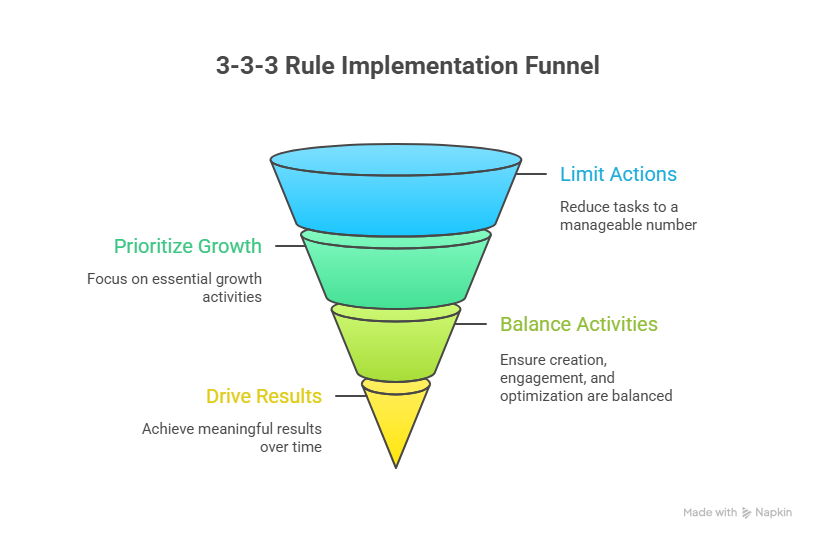
The 3-3-3 rule in online marketing is a discipline-based guideline that simplifies how marketers approach their daily or weekly marketing responsibilities. It emphasizes consistency over complexity by limiting actions to a manageable number that can realistically be sustained. Rather than attempting to execute every possible marketing tactic at once, the framework prioritizes focused execution across essential growth activities, which is critical given that 60% of marketers say their biggest challenge is producing consistent content.
At its core, the rule is built around the idea that small, repeated actions drive meaningful results over time. It encourages marketers to balance creation, engagement, and optimization so no single area is neglected. This balance helps ensure that marketing efforts remain intentional, structured, and aligned with broader business objectives.
Why the 3-3-3 Rule Matters in Online Marketing
Many online marketing strategies fail not because of poor ideas, but because of inconsistent execution and lack of focus. Businesses often start strong, overcommit to complex strategies, and eventually burn out or abandon their efforts altogether. The 3-3-3 rule addresses this challenge by introducing a repeatable system that reduces decision fatigue and creates momentum through routine action.
By providing a clear framework, the rule helps marketers stay visible and engaged without feeling overwhelmed. It creates a sense of progress even on busy days and supports steady growth across multiple channels. Over time, this consistency improves brand recognition, audience trust, and overall marketing performance.
Breaking Down the 3-3-3 Rule
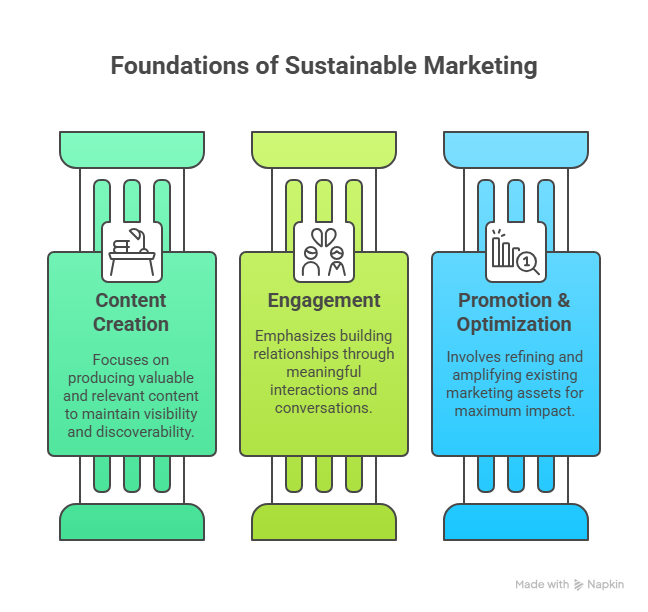
The 3-3-3 rule is built on three interconnected pillars that work together to support sustainable marketing growth. Each pillar focuses on a specific type of activity that contributes to visibility, engagement, and conversion. When applied consistently, these pillars help ensure that marketing efforts are balanced and results-driven. Understanding how each component functions makes it easier to apply the framework effectively across different platforms.
1. Create 3 Pieces of Content
Content creation is the foundation of the 3-3-3 rule because it fuels every other marketing activity. Creating three pieces of content ensures that a brand consistently provides value, maintains visibility, and supports long-term discoverability. These pieces can vary in format, such as blog posts, short social updates, videos, or repurposed content, depending on available resources. The emphasis is not on perfection, but on delivering useful and relevant content that aligns with audience needs.
2. Engage in 3 Meaningful Interactions
Engagement is what transforms content from a one-way message into a relationship-building tool. By committing to three meaningful interactions, marketers ensure they are actively participating in conversations rather than simply broadcasting content. These interactions may include replying to comments, engaging with industry peers, or responding to direct messages. Over time, consistent engagement strengthens trust, improves algorithmic reach, and increases the likelihood of conversion.
3. Promote or Optimize 3 Marketing Actions
Promotion and optimization ensure that content efforts translate into measurable outcomes. This part of the framework focuses on refining and amplifying existing assets rather than creating more from scratch. Actions may include improving SEO elements, sharing content strategically, testing calls to action, or refining landing pages. By consistently optimizing and promoting, marketers increase efficiency and maximize the impact of their existing work.
How the 3-3-3 Rule Works in Different Marketing Channels

The versatility of the 3-3-3 rule allows it to be applied across multiple marketing channels without losing its effectiveness. While the specific actions may change depending on the channel, the underlying structure remains the same. This adaptability makes the framework suitable for integrated marketing strategies that span content, social media, SEO, and email marketing. Applying the rule consistently across channels ensures alignment and reinforces brand messaging.
1. Content Marketing
In content marketing, the 3-3-3 rule supports a steady publishing rhythm while preventing content overload, which is essential because companies that publish content consistently generate up to 67% more leads than those that do not. Creating three content assets helps maintain relevance and authority within a niche, while engaging with readers through comments or feedback strengthens credibility and trust. Optimizing or sharing content ensures that each piece continues to drive traffic and long-term value beyond its initial publication.
2. Social Media Marketing
For social media marketing, the rule encourages balanced activity that aligns with platform algorithms and audience behavior. Posting three updates keeps profiles active and visible without overwhelming followers. Engaging through replies and comments builds authentic relationships and increases reach. Optimizing profiles, hashtags, or posting times helps improve discoverability and performance over time.
3. SEO Marketing
When applied to SEO, the 3-3-3 rule emphasizes incremental improvement rather than one-time optimization. Updating three pieces of content keeps websites fresh and relevant for search engines. Building or refining internal and external links strengthens authority and crawlability. Optimizing keywords and on-page elements improves rankings and supports long-term organic growth.
4. Email Marketing
In email marketing, the framework helps maintain consistent communication with subscribers. Drafting or refining three email ideas supports ongoing campaign development. Engaging with subscribers through replies or follow-ups strengthens relationships and improves deliverability. Testing subject lines, calls to action, or layouts ensures continuous improvement in open and conversion rates.
Benefits of Using the 3-3-3 Rule in Online Marketing
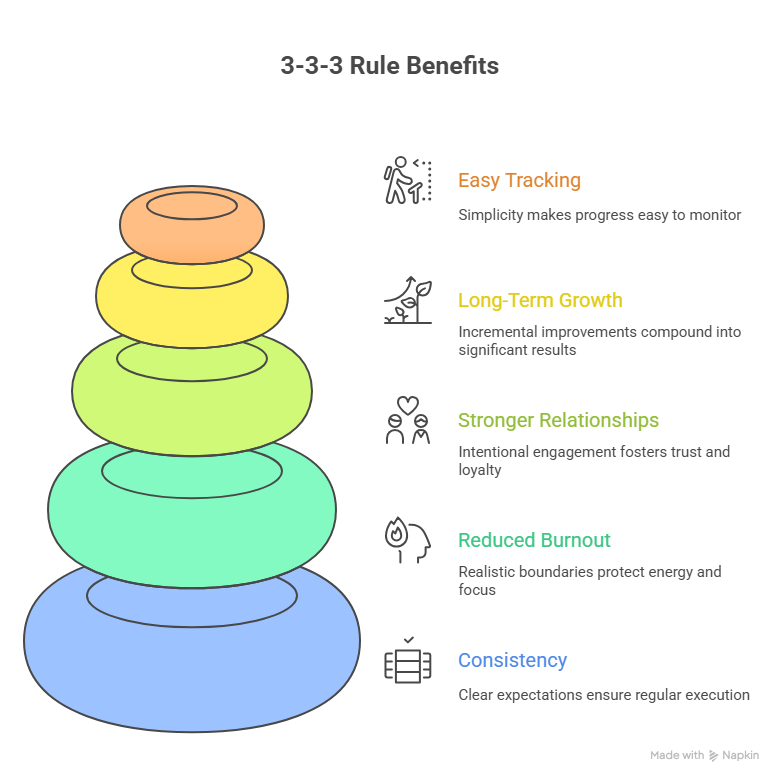
The 3-3-3 rule delivers measurable benefits by introducing clarity and structure into daily marketing operations. It helps marketers prioritize actions that directly support growth while avoiding unnecessary complexity. Over time, this focused approach leads to stronger performance and improved sustainability across campaigns.
1. Improves Consistency
Consistency is one of the most critical factors in successful online marketing. The 3-3-3 rule makes consistency achievable by setting clear, repeatable expectations. Regular execution builds momentum and reinforces brand visibility over time.
2. Reduces Marketing Burnout
Burnout often occurs when marketers try to do too much without a clear plan. The framework sets realistic boundaries that protect energy and focus. By limiting daily or weekly actions, it encourages sustainable productivity.
3. Builds Stronger Audience Relationships
Intentional engagement fosters trust and familiarity with an audience. The rule ensures that interaction is not overlooked in favor of content production alone. Stronger relationships lead to higher loyalty and conversion rates.
4. Supports Long-Term SEO and Brand Growth
Incremental improvements compound into significant results over time. Consistent content creation and optimization strengthen search visibility and brand authority. This long-term approach supports sustainable growth rather than short-lived spikes.
5. Easy to Track and Measure
The simplicity of the framework makes progress easy to monitor. Marketers always know which actions were completed and which need attention. This clarity improves accountability and performance tracking.
Who Should Use the 3-3-3 Rule?
The 3-3-3 rule is particularly effective for individuals and teams working with limited time or resources. It provides a structured approach that supports steady growth without requiring large budgets or complex tools. Small businesses, startups, and independent professionals often benefit most from its simplicity and flexibility.
The framework is also well-suited for experienced marketers seeking greater focus and efficiency. By narrowing attention to high-impact actions, it helps teams align daily efforts with strategic goals. Regardless of experience level, anyone seeking consistency and clarity in their marketing can apply this rule successfully.
Common Mistakes When Applying the 3-3-3 Rule

The 3-3-3 rule is simple, but improper execution can limit its effectiveness. Understanding common pitfalls helps marketers apply the framework more strategically. Avoiding these mistakes ensures that the rule delivers its intended benefits over time.
1. Overemphasizing Content Creation
Focusing solely on producing content while neglecting engagement and optimization weakens results. Content without interaction or promotion often fails to reach its full potential. Balance across all three pillars is essential for sustainable growth.
2. Treating the Rule as a Numbers Game
Prioritizing quantity over quality can undermine credibility and performance. Actions should be intentional and aligned with business objectives. The rule works best when each activity is executed with purpose and strategy.
TaskVirtual: A Smarter Way to Execute the 3-3-3 Marketing Rule

Consistently applying the 3-3-3 rule in online marketing requires time, focus, and operational discipline, which can be challenging for busy founders and small teams. Managing content creation, engagement, and optimization simultaneously often pulls attention away from core business priorities. TaskVirtual supports marketers and business owners by handling essential digital tasks that keep the 3-3-3 framework running smoothly and consistently. With dedicated Online Marketing assistants, businesses can maintain marketing momentum without operational overload.
1. Strategic Marketing Task Support and Review
TaskVirtual’s experienced virtual assistants help execute recurring marketing actions such as content scheduling, social engagement, and basic SEO updates. They review daily or weekly marketing tasks to ensure alignment with the 3-3-3 framework and broader growth goals. This support allows businesses to stay consistent while focusing on strategy rather than execution.
2. Affordable and Flexible Pricing
Hiring an in-house marketing assistant can be costly and inflexible, especially for growing businesses. TaskVirtual offers scalable support with pricing plans starting from just $3.12/hour to $14.99/hour, making professional assistance accessible to startups, solopreneurs, and established brands alike. This flexibility ensures marketing execution remains cost-effective at every stage of growth.
3. Comprehensive Digital Marketing Assistance
From scheduling content and engaging with online communities to tracking optimizations and campaign updates, TaskVirtual covers a wide range of marketing support needs. Their services adapt seamlessly, whether a business requires occasional help or ongoing execution support. This ensures the 3-3-3 rule is applied consistently across channels.
4. Reliable Ongoing Support and Quality Control
TaskVirtual provides continuous task monitoring, progress updates, and structured workflows to ensure marketing actions are completed on time. Their proactive approach minimizes missed opportunities and keeps marketing activities aligned with set goals. Businesses gain peace of mind knowing daily execution is handled reliably.
5. Trusted Service with Proven Results
With 364 positive reviews and a 4.7-star rating on leading virtual assistant platforms, TaskVirtual is recognized as a dependable partner for online business support. Clients worldwide rely on their expertise to maintain consistency, improve productivity, and streamline digital marketing execution.
Final Answer: What Is the 3-3-3 Rule in Online Marketing?
The 3-3-3 rule in online marketing is a simple yet powerful framework that promotes consistency, focus, and sustainable growth. By committing to three content actions, three engagement activities, and three promotional or optimization efforts, marketers create a balanced system that supports visibility and conversion. The rule reduces overwhelm while maintaining momentum, making it easier to execute marketing strategies over the long term. When applied with intention and supported by reliable execution, the 3-3-3 rule becomes a dependable foundation for scalable digital marketing success.
FAQ: 3-3-3 Rule in Online Marketing
1. Is the 3-3-3 rule a strict formula?
No. It is a flexible guideline designed to provide structure, not rigid rules.
2. Can beginners use the 3-3-3 rule?
Yes. It is especially helpful for beginners who need clarity and consistency.
3. Does the 3-3-3 rule help with SEO?
Yes. Regular content creation and optimization support long-term SEO growth.
4. Should I apply it daily or weekly?
Either approach works, depending on time and available resources.
5. Is the 3-3-3 rule still relevant in 2025?
Yes. Consistency, engagement, and optimization remain core to digital marketing success.
 Siddhartha Basu is a Technical Writer at Task Virtual. He loves online games, e-book reading, and Yoga.