
Contents
show
How to Create a Successful Influencer Marketing Campaign
To create a successful influencer marketing campaign, brands must define measurable goals, partner with relevant influencers, develop authentic content, track performance rigorously, and nurture long-term relationships. Strategic planning, supported by tools and skilled virtual assistants, ensures smoother execution, better data management, and higher ROI—especially since 89% of marketers say influencer marketing ROI is comparable to or better than other marketing channels. The effectiveness of influencer marketing lies in trust, relevance, and consistent optimization—not just reach or follower count.
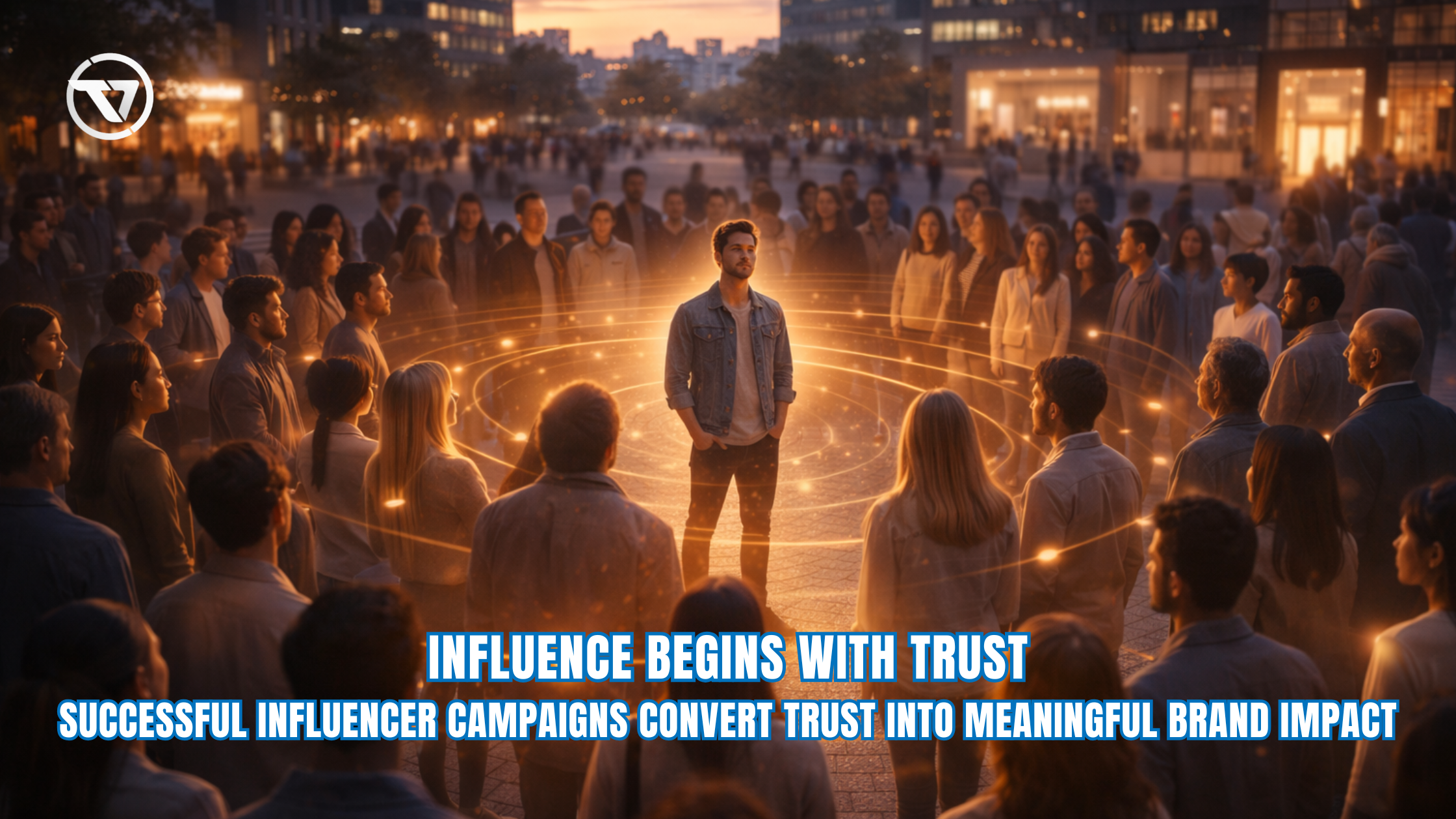
Influencer marketing succeeds when brands collaborate with creators who hold genuine trust and authority within a specific audience, delivering messages that feel credible rather than promotional. A high-performing influencer campaign is the result of deliberate strategy, structured research, and consistent coordination across platforms, content, and metrics. As campaigns scale, many brands rely on a virtual assistant to manage influencer outreach, campaign timelines, communication, and reporting, ensuring that creative and strategic decisions are executed without operational friction. When influencer relationships, content quality, and performance tracking are aligned, influencer marketing becomes a repeatable growth engine rather than an experimental tactic.
What is an Influencer Marketing Campaign
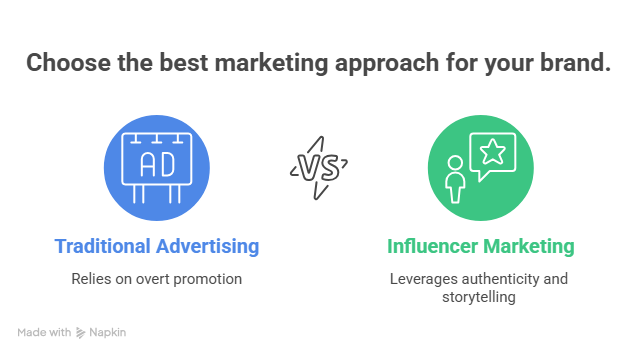
An influencer marketing campaign is a structured collaboration between a brand and one or more content creators to promote products, services, or messages to a targeted audience. These campaigns leverage the influencer’s credibility and relationship with their followers to drive awareness, engagement, or conversions. Unlike traditional advertising, influencer marketing relies on authenticity, storytelling, and relevance rather than overt promotion. When managed effectively, often with support from a virtual assistant handling coordination and logistics, influencer campaigns can deliver measurable and scalable results.
Steps Needed to Create a Successful Influencer Marketing Campaign
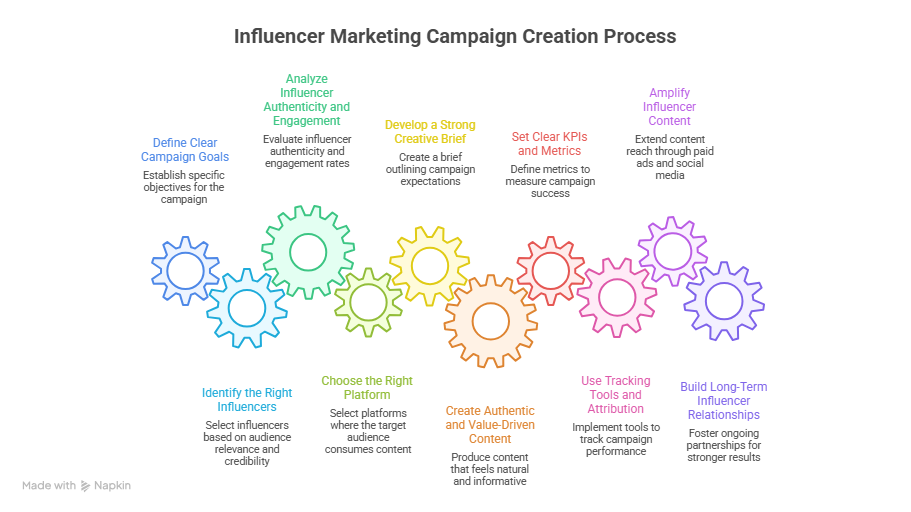
Creating a successful influencer marketing campaign requires a clear framework that balances strategic planning with creative flexibility. Each step builds on the previous one, ensuring that influencer selection, content creation, and performance measurement remain aligned with business objectives. A structured process also makes it easier for teams or virtual assistants to manage workflows, documentation, and communication efficiently. The following ten steps outline how to build, execute, and optimize an influencer marketing campaign that delivers consistent results.
Step 1: Define Clear Campaign Goals
A successful influencer marketing campaign begins with clearly defined objectives that outline what the brand aims to achieve. These goals may include increasing brand awareness, driving engagement, generating leads, or boosting direct sales. Clear goals guide every downstream decision, from influencer selection to content format and KPI tracking, and allow a virtual assistant to monitor progress against benchmarks accurately.
Step 2: Identify the Right Influencers
Choosing the right influencers requires focusing on audience relevance, content alignment, and credibility rather than follower count alone. Influencers should naturally resonate with the brand’s niche and values while speaking to the desired demographic. A virtual assistant can streamline this process by researching creators, shortlisting candidates, and organizing influencer databases for efficient evaluation.
Step 3: Analyze Influencer Authenticity and Engagement
Evaluating influencer authenticity ensures that campaigns are built on trust rather than inflated metrics. Engagement rates, comment quality, audience demographics, and past collaborations reveal whether an influencer has real influence. With proper tools and oversight, a virtual assistant can audit influencer profiles, flag inconsistencies, and compile engagement reports to support data-driven decisions.
Step 4: Choose the Right Platform
Platform selection should align with where the target audience consumes content and how they interact with influencers. Different platforms support different content formats, from short-form video to long-form reviews or professional insights, with 57% of brands identifying Instagram as their preferred platform for influencer campaigns, followed by TikTok and YouTube. Selecting the right platform allows brands to maximize relevance and performance while enabling a virtual assistant to coordinate posting schedules and platform-specific requirements.
Step 5: Develop a Strong Creative Brief
A clear creative brief ensures influencers understand campaign expectations without restricting their creative voice. It should outline campaign goals, brand messaging, deliverables, timelines, and compliance requirements. Virtual assistants often play a critical role here by preparing briefs, managing revisions, and ensuring influencers receive consistent and accurate guidance.
Step 6: Create Authentic and Value-Driven Content
Influencer content performs best when it feels natural, informative, and aligned with the creator’s usual style. Content should highlight real use cases, solve audience problems, and incorporate storytelling rather than scripted promotion. Allowing influencers creative freedom, while a virtual assistant ensures brand alignment and approvals, leads to higher engagement and trust.
Step 7: Set Clear KPIs and Metrics
Defining KPIs ensures that campaign success is measured objectively rather than subjectively. Metrics such as reach, engagement rate, click-through rate, conversions, and ROI should align with the original campaign goals. A virtual assistant can track these metrics consistently, compile performance dashboards, and flag trends or anomalies for optimization.
Step 8: Use Tracking Tools and Attribution
Accurate attribution is essential for understanding influencer marketing performance. Tools such as UTM links, affiliate codes, and platform analytics provide visibility into traffic and conversions. Managing these tracking mechanisms is often delegated to a virtual assistant, ensuring links, codes, and reports are implemented and maintained correctly.
Step 9: Amplify Influencer Content
Amplifying influencer content extends its lifespan and impact beyond organic reach. Brands can repurpose high-performing posts for paid ads, social media channels, or email campaigns. A virtual assistant can manage content repurposing, scheduling, and ad coordination, allowing marketing teams to focus on strategy and optimization.
Step 10: Build Long-Term Influencer Relationships
Long-term influencer partnerships deliver stronger results than one-off collaborations by building familiarity and trust with audiences. Ongoing relationships reduce onboarding time, improve content quality, and increase brand recall. Virtual assistants often manage relationship continuity by handling follow-ups, contracts, and performance reviews across campaigns.
Benefits of Having a Successful Influencer Marketing Campaign

A well-executed influencer marketing campaign delivers value beyond immediate metrics, contributing to sustainable brand growth and audience trust. When campaigns are structured effectively and supported by operational resources like virtual assistants, brands gain both efficiency and scalability. The following benefits highlight why influencer marketing remains a core digital strategy.
1. Enhanced Brand Credibility
Influencer campaigns leverage established trust between creators and their audiences, positioning brands as credible rather than intrusive. Authentic endorsements feel more relatable than traditional advertising and reduce skepticism. Over time, consistent influencer collaborations strengthen brand authority within specific niches.
2. Higher Engagement and Conversion Rates
Influencer-driven content often generates higher engagement because it aligns with audience expectations and platform behavior, with research showing that the average conversion rate for influencer marketing campaigns is around 1% to 5%, with a strong benchmark being about 3% or higher. When influencers demonstrate real product use, audiences are more likely to take action. Strategic tracking and optimization, often managed by a virtual assistant, further improve conversion efficiency.
3. Scalable and Cost-Effective Growth
Compared to traditional media, influencer marketing offers flexible budgets and scalable reach across micro to macro creators. Brands can test, refine, and expand campaigns without high upfront costs. With virtual assistants managing execution, brands can scale campaigns without proportionally increasing internal workload.
Example Scenarios
Real-world applications illustrate how influencer marketing strategies adapt across industries and objectives. These scenarios demonstrate how structured planning and operational support contribute to campaign success. In each case, virtual assistants play a behind-the-scenes role in coordination and execution.
1. Product Launch for a DTC Brand
A direct-to-consumer brand partners with micro-influencers to introduce a new product to niche audiences. Influencers create unboxing and tutorial content that showcases real usage and benefits. A virtual assistant manages influencer outreach, timelines, and tracking links to ensure a smooth launch.
2. B2B Thought Leadership Campaign
A B2B company collaborates with industry experts on LinkedIn and YouTube to share insights and case studies. Influencers position the brand as a credible solution provider rather than a seller. Virtual assistants coordinate content schedules, approvals, and performance reporting across platforms.
3. Seasonal E-commerce Promotion
An e-commerce brand runs a limited-time influencer campaign during the holiday season to drive sales. Influencers share discount codes and product recommendations aligned with seasonal demand. A virtual assistant monitors promo codes, tracks conversions, and compiles ROI reports in real time.
Common Mistakes to Avoid
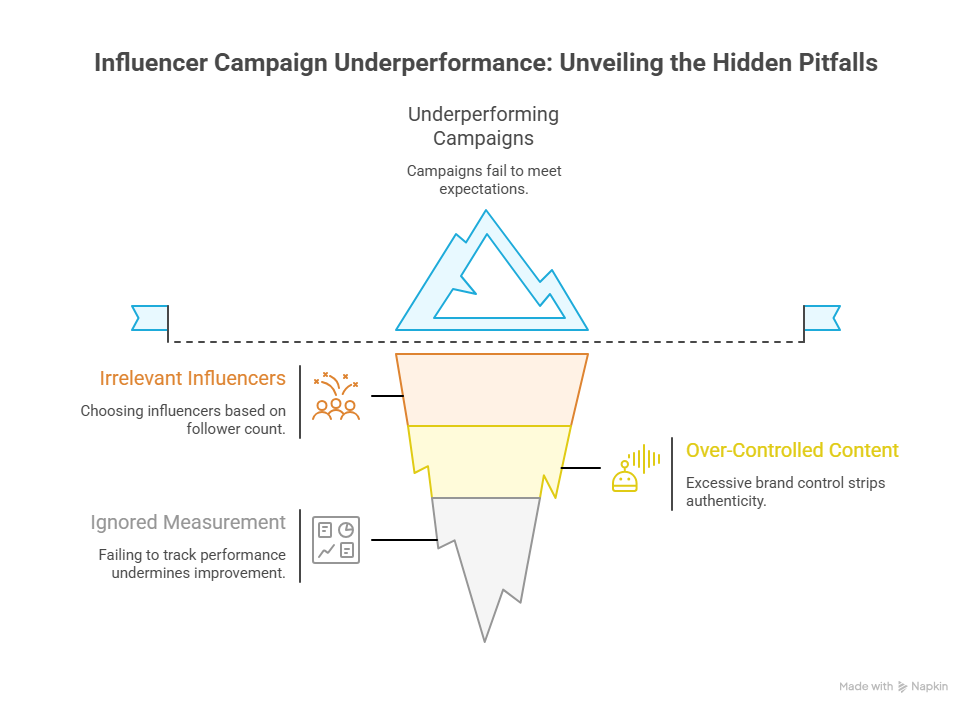
Even well-funded influencer campaigns can underperform when foundational mistakes are overlooked. Understanding common pitfalls helps brands protect budgets and improve outcomes. The following areas require particular attention during planning and execution.
1. Prioritizing Follower Count Over Relevance
Choosing influencers solely based on audience size often leads to low engagement and weak conversions. Relevance, trust, and niche alignment matter more than raw reach. Proper vetting, supported by research from a virtual assistant, prevents misaligned partnerships.
2. Over-Controlling Creative Content
Excessive brand control can strip influencer content of authenticity and reduce audience trust. Influencers perform best when allowed to communicate in their natural voice. Clear guidelines paired with creative freedom produce stronger results.
3. Ignoring Measurement and Follow-Up
Failing to track performance or analyze results undermines long-term campaign improvement. Without clear data, brands cannot optimize future efforts or justify investment. Virtual assistants can ensure consistent tracking, reporting, and post-campaign analysis.
TaskVirtual: Your Partner in Influencer Marketing Campaign Support

Managing influencer marketing campaigns involves multiple moving parts, including influencer research, outreach, content coordination, performance tracking, and reporting. As campaigns grow in scale, handling these tasks internally can strain marketing teams and slow execution. TaskVirtual provides dedicated virtual marketing assistant support tailored specifically to influencer marketing, helping brands streamline operations while maintaining strategic control.
1. Influencer Research and Campaign Coordination
TaskVirtual’s experienced virtual assistants help identify relevant influencers, manage outreach, track communications, and organize campaign timelines. They ensure deliverables, deadlines, and approvals stay on track while maintaining consistent communication with creators across platforms.
2. Affordable and Flexible Pricing
Hiring in-house marketing support can be costly, but TaskVirtual offers a budget-friendly alternative. With pricing plans starting from just $3.12/hour to $14.99/hour, brands can access professional influencer marketing support without long-term overhead.
3. End-to-End Campaign Management Support
From preparing creative briefs and managing contracts to tracking UTM links and compiling performance reports, TaskVirtual assists at every stage of the influencer marketing lifecycle. Their services scale easily, whether supporting a single campaign or managing ongoing influencer partnerships.
4. Reliable Ongoing Assistance and Reporting
TaskVirtual provides continuous support throughout the campaign, ensuring metrics are tracked accurately and insights are delivered on time. Their proactive approach helps brands optimize campaigns while maintaining transparency and accountability.
5. Proven Track Record of Excellence
With 364 positive reviews and a 4.7-star rating across trusted virtual assistant platforms, TaskVirtual is recognized as a dependable partner for businesses worldwide. Brands rely on their expertise to execute influencer marketing campaigns efficiently and consistently.
Final Answer: How to Create a Successful Influencer Marketing Campaign
A successful influencer marketing campaign is built on clear goals, relevant influencer partnerships, authentic content, and rigorous performance measurement. By following a structured, step-by-step process, brands can align strategy with execution while maintaining creative flexibility. Integrating operational support from a virtual assistant enhances efficiency by managing research, communication, tracking, and reporting, allowing marketers to focus on optimization and growth. When relevance, trust, and data-driven decisions guide the campaign, influencer marketing becomes a scalable and measurable channel for long-term brand impact.
FAQ: Influencer Marketing Campaigns
1. How long should an influencer campaign run?
Typically 2–6 weeks, depending on goals and content volume.
2. Are micro-influencers better than celebrities?
Often, yes, due to higher engagement and audience trust.
3. How much should I pay influencers?
Pricing depends on platform, audience size, and content type.
4. Is influencer marketing suitable for B2B brands?
Yes, especially on LinkedIn and YouTube.
5. How do I measure influencer marketing ROI?
Track conversions, engagement, and cost per result using links or codes.
 Siddhartha Basu is a Technical Writer at Task Virtual. He loves online games, e-book reading, and Yoga.