Contents
show
Best Property Management CRM & Rental Management Software 2026
Managing rental properties in the United States has never been more challenging or rewarding. With millions of renter households and rising operational demands, property managers need efficient solutions to handle daily tasks effectively. Property management CRM and rental management software centralize operations, automate workflows, and provide valuable insights for better decision-making. These tools help transform how landlords and managers run their businesses in a competitive market.
In 2026, AI-powered features, tenant portals, and seamless accounting integration make modern CRM systems essential. According to industry reports, property managers using advanced software report up to 50% time savings on administrative tasks. Whether you search for property management CRM, CRM for property management, or CRM rental management, the right platform can significantly reduce costs and improve efficiency. This guide explores the best options available and how they can simplify your real estate business.
Why Property Management CRM Matters in Today’s Rental Market
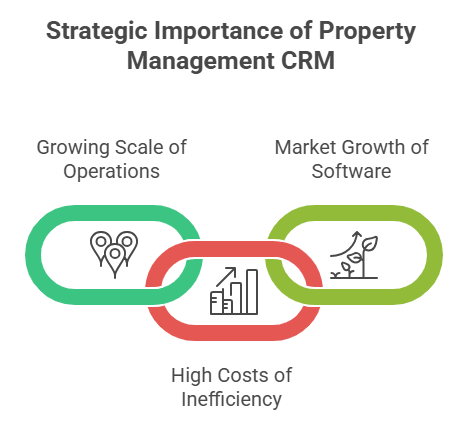
Property management CRM systems have become indispensable tools for US landlords and property managers facing increasing complexity in rental operations. These platforms help address multiple challenges while driving profitability and tenant satisfaction. According to industry surveys, 68% of property managers in North America now use some form of property management software. With the rental market continuing to evolve rapidly, adopting the right technology is no longer optional but necessary for long-term success.
1. The Growing Scale of US Rental Operations
The US rental market remains strong, with renter households reaching approximately 46.1 million in early 2025 and steady annual growth continuing. Property managers are handling larger portfolios that often span multiple states with varying local regulations and compliance requirements. Without modern property management CRM tools, keeping track of leases, maintenance, and communications becomes overwhelming and error-prone.
2. High Costs of Inefficiency and Turnover
Tenant turnover continues to be a major expense in the rental industry, with each vacancy often costing between $2,000 and $5,000 due to lost rent, advertising, and unit preparation. High turnover rates between 45-60% annually directly impact profitability and operational stability. Effective CRM rental management software improves tenant retention by enabling faster communication and quicker resolution of maintenance issues, ultimately protecting your bottom line.
3. Market Growth of Property Management Software
The property management software market is expanding rapidly as more owners and managers embrace digital transformation. Industry estimates indicate strong growth, with North America holding a significant share and projected CAGRs of 8-11% through 2026. This reflects increasing adoption of advanced CRM for property management solutions that provide automation, analytics, and scalability. Many businesses report meaningful time savings and improved cash flow after implementation.
Key Features of the Best Property Management CRM & Rental Software
The best property management CRM platforms offer comprehensive tools designed to handle every aspect of rental operations efficiently. These features work together to create a seamless experience for both managers and tenants.
- Tenant and lead management tools include contact databases, automated follow-ups, and self-service portals.
- Screening and onboarding tools manage background checks, credit reports, and digital lease signing.
- Financial tools handle automated rent collection, invoicing, and accounting integrations.
- Maintenance management enables tenant request submission and automated work order tracking.
- Compliance and analytics features ensure regulatory adherence and deliver predictive insights.
- Cloud-based systems scale easily with your growing property portfolio.
Top Property Management CRM Platforms in 2026
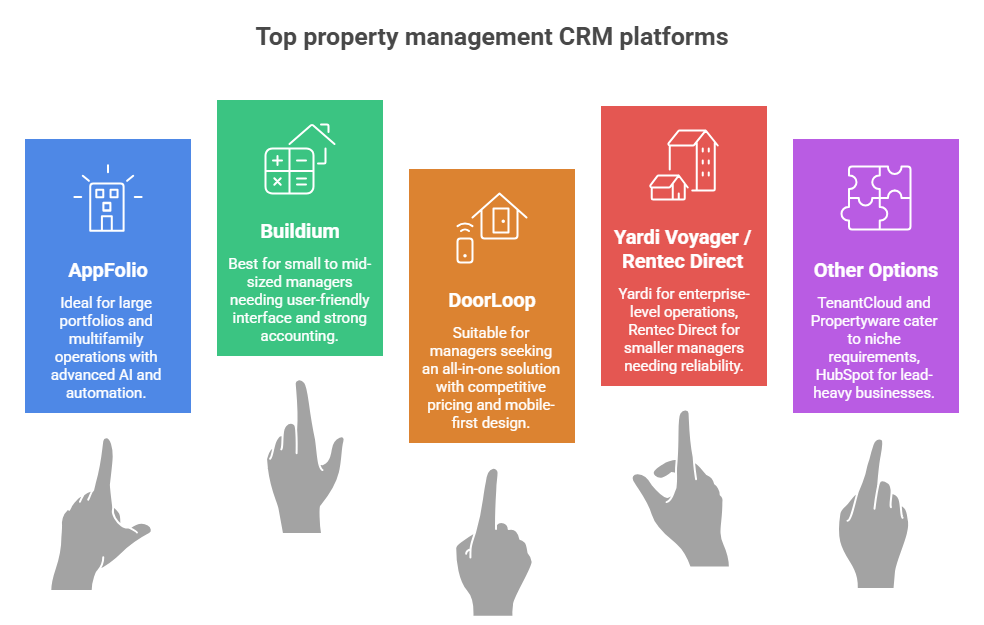
Several leading platforms dominate the property management CRM space in 2026, each offering unique strengths for different portfolio sizes and management needs. These tools have evolved with enhanced AI capabilities, improved user interfaces, and better mobile functionality. According to recent industry reports, 58% of property management companies are now using artificial intelligence within their operations. Choosing the right one depends on your specific operational requirements and growth objectives.
1. AppFolio
AppFolio stands out as a top choice for larger portfolios and multifamily operations with its powerful automation features and advanced AI capabilities. The platform excels in market-rate properties and offers excellent resident portals, smart maintenance routing, and detailed market analytics. Users particularly appreciate its ability to scale efficiently as portfolios expand across multiple states.
2. Buildium (by RealPage)
Buildium remains highly popular among smaller to mid-sized property managers due to its user-friendly interface and strong accounting features. It provides excellent tenant screening, owner portals, and flexible reporting tools suitable for mixed residential and commercial properties. The platform balances simplicity with powerful functionality, making it ideal for growing businesses that need reliable CRM rental management.
3. DoorLoop
DoorLoop delivers a modern, all-in-one solution with an intuitive interface focused on maintenance tracking and tenant communication. Its competitive pricing and mobile-first design appeal to managers seeking efficiency without complexity. The platform includes robust work order management and automated notifications that help reduce response times significantly.
4. Yardi Voyager / Rentec Direct
Yardi Voyager serves enterprise-level operations with deep accounting, compliance, and reporting capabilities for very large portfolios. Rentec Direct offers simpler yet effective solutions for smaller managers who need straightforward tools without excessive features. Both options maintain strong reputations for reliability and regulatory compliance support.
5. Other Notable Options
Platforms like TenantCloud and Propertyware cater to specific niche requirements with flexible pricing and targeted functionalities. Some managers combine general CRMs like HubSpot with specialized property tools for lead-heavy businesses. It is important to evaluate each option based on your unit count, budget, and unique operational challenges before making a final decision.
Benefits of Implementing Property Management CRM Software

Implementing a reliable property management CRM delivers measurable improvements across all areas of rental operations. These platforms help managers work smarter while creating better experiences for tenants and owners alike.
- Automation reduces manual tasks and helps manage more units efficiently.
- Better communication and quick maintenance improve tenant satisfaction and retention.
- Automated rent collection improves cash flow and lowers delinquencies.
- Advanced analytics help optimize pricing and predict vacancies.
- Strong compliance tools reduce legal risks and ensure proper documentation.
- Overall efficiency gains deliver strong ROI through paid online marketing service within the first year.
How to Choose the Right CRM Rental Management Software
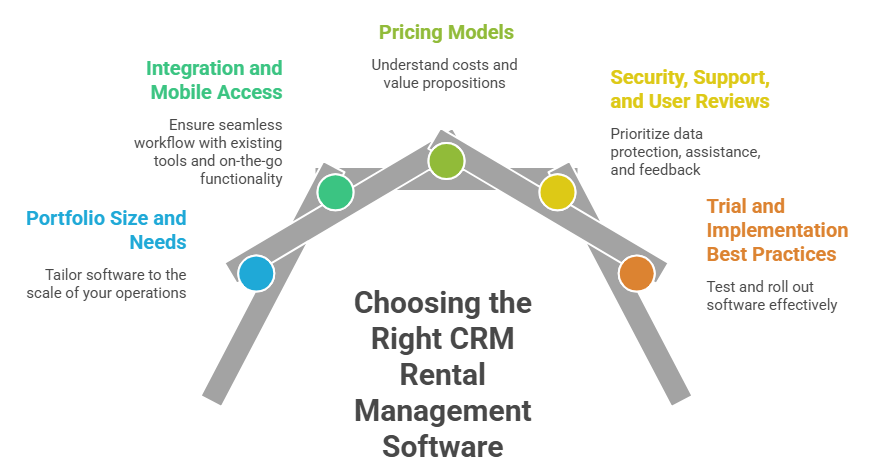
Selecting the ideal property management CRM requires careful evaluation of your current operations and future growth plans. The right choice can transform how you manage properties, while the wrong one may create additional frustration. Focus on platforms that align with your specific needs and offer strong long-term value.
1. Assess Your Portfolio Size and Needs
Small portfolios under 50 units typically benefit from affordable and simple tools with essential features. Larger operations require robust marketing funnel automation, advanced reporting, and multi-user capabilities to handle complexity effectively. Consider your current pain points, such as rent collection, maintenance coordination, or tenant communication, when evaluating different options.
2. Evaluate Integration and Mobile Access
Strong integration with existing tools like accounting software and email systems ensures smooth workflows. Full mobile functionality has become essential for property managers who need to handle tasks while away from the office. Look for platforms with responsive apps that support on-the-go approvals, communication, and reporting.
3. Consider Pricing Models
Most property management CRM solutions use per-unit monthly pricing or flat subscription models with varying feature tiers. Factor in implementation costs, training expenses, and potential add-ons when calculating total investment. Many platforms offer free trials that allow you to test real-world performance before committing.
4. Security, Support, and User Reviews
Prioritize platforms with bank-level encryption, SOC 2 compliance, and regular security updates to protect sensitive tenant data. Responsive customer support and comprehensive training resources contribute significantly to successful adoption. Recent user reviews provide valuable insights into actual performance and reliability.
5. Trial and Implementation Best Practices
Take advantage of free trials and demos to test how each platform handles your specific workflows. Plan data migration carefully and involve your team early in the selection process. Proper training and gradual rollout of features help ensure a smooth transition and maximum utilization of the new system.
Implementation Tips for Maximum ROI
Successful implementation of property management CRM requires thoughtful planning and team commitment. Start by cleaning your existing data and establishing clear processes before full migration. Focus initially on core functions like rent collection and maintenance requests to build confidence among users.
Regular review of system analytics helps identify areas for further optimization over time. Set measurable KPIs related to response times, collection rates, and tenant retention to track progress. Staying updated with new features and industry trends ensures you continue maximizing the value of your investment.
How Virtual Assistant Helps With Property Management CRM & Rental Management Software

Combining virtual assistants with property management CRM and rental management software creates a highly efficient hybrid model for real estate operations. This partnership allows property managers to focus on strategic decisions while trained professionals handle the daily execution within the chosen CRM platform.
- Virtual assistants manage tenant communications and update records directly in the CRM system.
- They process rent collection, send reminders, and track payments accurately.
- Assistants coordinate maintenance requests and follow up with vendors through the software.
- They perform real estate data entry, generate reports, and maintain compliance documentation.
- Virtual support helps efficiently screen leads and schedule property viewings.
- They ensure tenant portals stay updated and assist with lease renewal processes.
TaskVirtual: Your Partner in Property Management Virtual Assistance
Managing rental properties involves countless time-consuming tasks — from tenant screening and rent collection to maintenance coordination and compliance tracking. Even with the best property management CRM and rental management software, many landlords and managers need extra support to fully leverage these tools and stay on top of daily operations. TaskVirtual provides expert virtual assistants for CRM handling, specializing in real estate support, helping you maximize your CRM investment and handle repetitive tasks efficiently.
1. Expert Consultation and Property Management Support
TaskVirtual’s trained virtual assistants help you select and implement the right property management CRM, set up tenant databases, automate workflows, and manage daily operations like lease renewals and owner reporting.
2. Affordable and Flexible Pricing
Hiring a full-time personal assistant can be expensive, but TaskVirtual makes it cost-effective. With pricing plans starting from just $3.12/hour to $14.99/hour, their services are budget-friendly and accessible to individual landlords, small property managers, and larger real estate businesses.
3. Comprehensive Rental Management Solutions
From tenant communication and maintenance request handling to financial tracking and CRM data entry, TaskVirtual covers it all. Their scalable services adapt whether you need occasional help or full-time support alongside your chosen CRM property management software.
4. Ongoing Support and Quality Assurance
TaskVirtual offers continuous assistance with system updates, report generation, and proactive follow-ups. Their dedicated support ensures your property operations run smoothly and your rental management software delivers maximum value without added stress.
5. Proven Track Record of Excellence
With 364 positive reviews and a 4.7-star rating on trusted VA platforms, TaskVirtual is recognised as a reliable partner worldwide. Clients count on their expertise to simplify property management and enhance efficiency with modern CRM tools.
FAQ Section
1. What is property management CRM software?
Property management CRM centralizes tenant data, communications, leases, maintenance, and finances to automate and streamline rental operations.
2. How much does the best CRM for property management cost?
Pricing varies widely—from $1–$3 per unit/month for basic plans to enterprise custom quotes. Many offer tiered subscriptions with free trials.
3. Can rental management software reduce tenant turnover?
Yes. Faster maintenance, better communication, and self-service portals improve satisfaction and boost renewal rates.
4. Is cloud-based property management software secure?
Reputable platforms use bank-level encryption, SOC 2 compliance, and regular audits. Always enable two-factor authentication.
5. What features should I prioritize in CRM rental management?
Focus on automated rent collection, tenant portals, maintenance tracking, reporting, and mobile access based on your biggest pain points.
6. How quickly can I see ROI from implementing property management CRM?
Many managers report efficiency gains and cost savings within 1–3 months, with full ROI often in 6–12 months.
Conclusion
The right property management CRM and rental management software is a game-changer for simplifying your real estate business. It reduces administrative burden, enhances tenant experiences, minimizes costly turnover, and positions you for scalable growth in a dynamic US rental market.
Invest time in evaluating options against your specific needs. The efficiency gains and data insights will pay dividends for years. Ready to transform your operations? Start with a demo of top platforms like AppFolio or Buildium today and take control of your portfolio.
Sources
- Harvard Joint Center for Housing Studies (2025 reports)
- HUD User / PD&R National Housing Market Summaries
- Statista, MarketsandMarkets, and industry market research reports
- NAA (National Apartment Association) surveys
- Various property management software vendor analyses and case studies (2025–2026)
For more such content, visit our website.
 Siddhartha Basu is a Technical Writer at Task Virtual. He loves online games, e-book reading, and Yoga.