

Contents
show
How to Find and Vet a Virtual Assistant for Business Success Step by Step
Running a small business in America today means wearing multiple hats while juggling endless tasks. From managing emails and scheduling to social media and customer support, the daily grind can stall growth and lead to burnout. That’s where learning how to hire a virtual assistant becomes a game-changer for entrepreneurs and small business owners.
The virtual assistant industry is booming, driven by remote work trends and AI tools that amplify human capabilities. With a 35% increase in related job postings in recent years, demand continues to surge. This guide provides a comprehensive, step-by-step approach to finding, vetting, and working with a virtual assistant optimized for the realities of 2026, including hybrid AI-human workflows, time-zone alignment, and performance-tracking tools.
Why Hire a Virtual Assistant for Small Business Growth
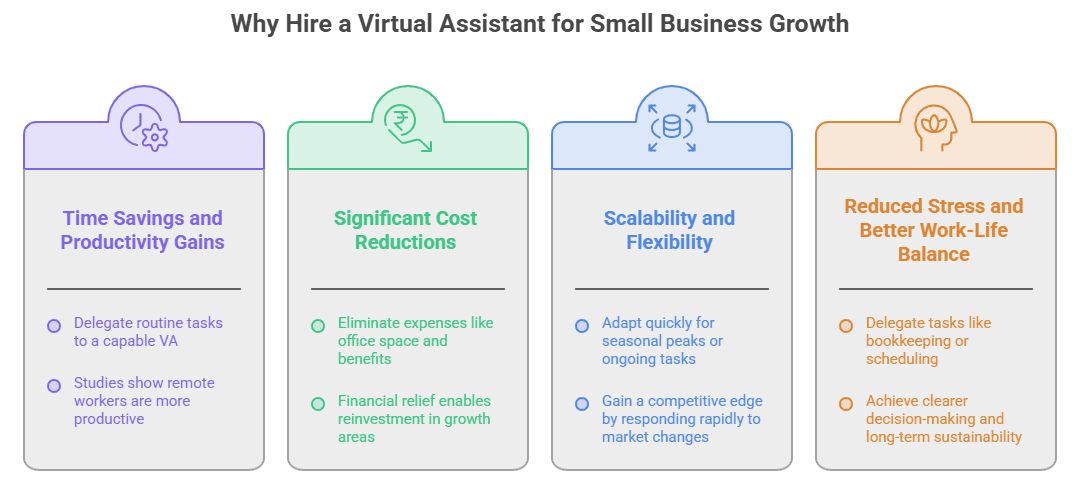
Small business owners often spend too much time on administrative tasks instead of focusing on core growth activities. Hiring a virtual assistant frees you to concentrate on revenue-generating work while maintaining operational efficiency through virtual assistant administrative tasks services. This strategic move supports sustainable scaling in today’s competitive market.
1. Time Savings and Productivity Gains
Business owners can reclaim 13-15 hours or more per week by delegating routine work to a capable virtual assistant. Remote support roles contribute to measurable efficiency, with studies showing remote workers delivering about 13% higher productivity than on-site counterparts. Effective delegation allows small business leaders to tackle high-impact projects that directly drive revenue and innovation.
2. Significant Cost Reductions
Hiring a VA can reduce operating costs by up to 78% compared to a traditional in-house employee due to eliminated expenses like office space, benefits, and equipment. For small businesses, this often translates to thousands in annual savings while maintaining high output levels. The financial relief enables reinvestment into marketing, product development, and other growth areas.
3. Scalability and Flexibility
Virtual assistants allow businesses to scale support exactly as needed, whether for seasonal peaks or steady ongoing tasks. Around 67% of solo entrepreneurs and 54% of micro-businesses now use VAs to adapt quickly without long-term commitments. This flexibility provides a competitive edge by letting owners respond rapidly to market changes and opportunities.
4. Reduced Stress and Better Work-Life Balance
Delegating tasks like bookkeeping or scheduling significantly reduces daily pressure on business owners. Many report improved satisfaction and lower burnout rates after consistent VA support. Better balance leads to clearer decision-making and long-term personal and professional sustainability.
How Much Does It Cost to Hire a Virtual Assistant?
Understanding pricing structures is essential for setting realistic budgets and maximizing value when hiring a virtual assistant. Costs vary widely based on location, experience, and service model, with businesses often achieving up to 78% savings versus traditional hires, but clear planning helps small businesses achieve strong returns.
- U.S.-based VAs typically charge $25-$50+ per hour for standard tasks.
- Offshore or managed VAs range from $7-$20 per hour or $800-$2,500 monthly.
- Part-time options (10-20 hours/week) offer affordable entry points.
- Full-time dedicated VAs through agencies start around $1,988-$3,000 monthly.
- Include platform fees (10-20%), training, and tools in total costs.
- Most businesses see positive ROI within 3-4 weeks.
Where to Find Qualified Virtual Assistants
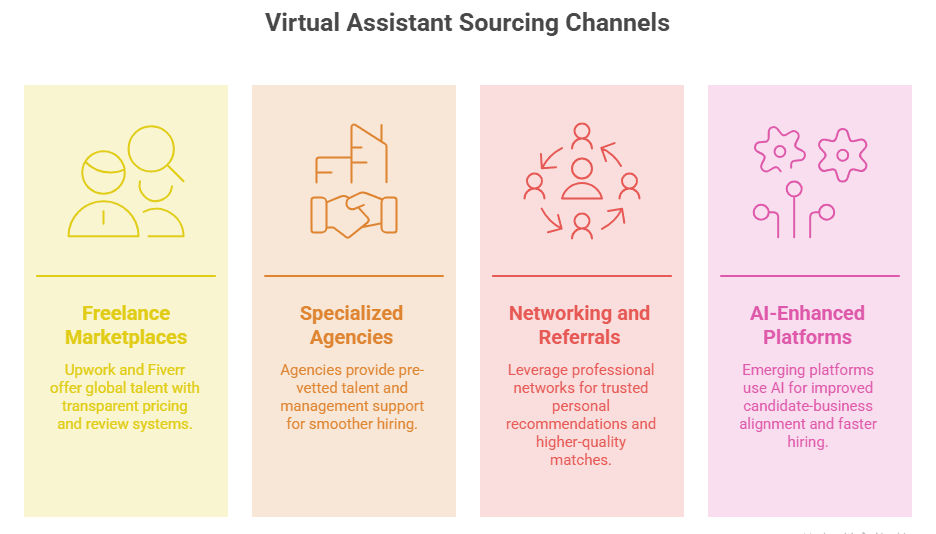
Multiple reliable channels exist for sourcing talented virtual assistants tailored to American small business needs. Choosing the right platform or network significantly impacts the quality of candidates you attract, with 41% of U.S. small businesses now using VAs. A strategic approach to sourcing helps match specific business requirements with skilled professionals.
1. Freelance Marketplaces Like Upwork and Fiverr
Upwork offers a vast global pool of VAs with detailed proposals, portfolios, and built-in hourly or fixed-price options. Fiverr excels for quick gig-based tasks or specialized projects with transparent upfront pricing. Both platforms feature robust review systems, escrow protection, and tools for effective collaboration.
2. Specialized VA Agencies and Direct Hire Sites
Agencies provide pre-vetted and often pre-trained talent along with dedicated management support for smoother hiring. Platforms like OnlineJobs.ph focus on reliable international professionals with strong English skills and work ethic. These options reduce screening time while offering replacement guarantees in many cases.
3. Networking and Referrals
Leverage LinkedIn, industry associations, and fellow entrepreneurs for trusted personal recommendations. Certified VAs or those with proven niche experience frequently surface through professional networks. Referrals often yield higher-quality matches due to built-in accountability from the referring party.
4. Emerging AI-Enhanced Platforms
2026 platforms integrate advanced AI matching algorithms and performance analytics for improved candidate-business alignment. These tools analyze skills, work history, and compatibility factors more accurately than traditional methods. AI assistance speeds up the hiring process while maintaining high standards for virtual assistant selection.
Step-by-Step Process to Hire a Virtual Assistant Effectively
Following a structured hiring process, such as an HR process outsourcing service, increases your chances of finding a reliable long-term partner for your small business. Clear planning from the start prevents common mismatches and accelerates successful integration. This methodical approach ensures alignment with your specific operational needs.
- Define needs and create a detailed job description with tasks, skills, hours, and goals.
- Choose the right hiring model based on budget and oversight needs.
- Post the job and screen applications by reviewing profiles and proposals.
- Conduct video interviews and assign small paid test tasks.
- Finalize with reference checks and prepare a clear contract.
How to Vet a Virtual Assistant: Red Flags and Best Practices
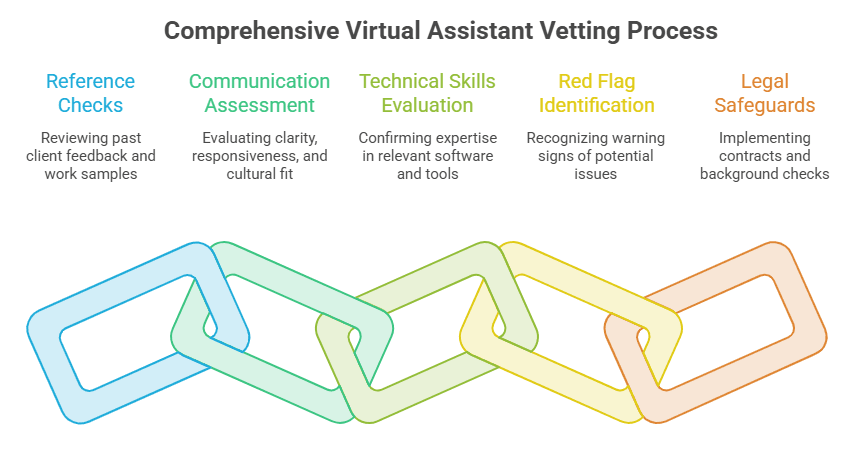
Thorough vetting is crucial to ensure you select a dependable virtual assistant who aligns with your business goals and values. A systematic evaluation process helps identify top candidates while avoiding potential issues. Investing time here prevents costly turnover and builds a foundation for productive collaboration.
1. Check References, Portfolios, and Track Record
Request recent client references and thoroughly review past work samples for relevance and quality. Look for consistent positive feedback across multiple engagements and demonstrated experience in your industry or task types. Strong track records often indicate reliability, attention to detail, and the ability to deliver results consistently.
2. Assess Communication and Cultural Fit
Evaluate responsiveness, clarity in written and spoken English, and overall alignment with your company values during interactions. Test time-zone compatibility and availability for key meetings or real-time collaboration needs. Cultural understanding ensures smoother workflows and reduces potential misunderstandings in daily operations.
3. Review Technical Skills and Tools Proficiency
Confirm expertise in essential software like Google Workspace, Slack, or industry-specific tools relevant to your business. In 2026, familiarity with AI automation tools provides a significant advantage for efficiency. Request demonstrations or test assignments to verify practical capabilities beyond listed skills.
4. Identify Red Flags
Watch for poor communication patterns, vague responses to questions, or lack of specific relevant experience. Overpromising, such as unlimited 24/7 availability without clear boundaries, often signals unrealistic expectations. Inconsistent online presence or difficulty following simple instructions during tests are additional warning signs to heed.
5. Background Checks and Contracts
Utilize platform-built protections and conduct appropriate background checks when hiring for sensitive tasks. Always implement written agreements covering scope of work, payment terms, confidentiality through NDAs, and clear termination conditions. These legal safeguards protect both parties and establish professional expectations from day one.
Onboarding and Managing Your Virtual Assistant for Long-Term Success

Proper onboarding of a virtual assistant sets the stage for a productive and enduring working relationship with your virtual assistant. Structured integration helps new VAs quickly become valuable team members. Ongoing management practices ensure continued alignment and optimal performance over time.
- Set up secure tool access, provide SOPs, and establish project management systems.
- Schedule regular check-ins and define clear communication protocols.
- Monitor performance metrics and offer constructive feedback.
- Begin with a trial period to evaluate overall fit.
- Delegate more complex tasks as trust grows.
- Periodically review and scale support as needed.
Common Mistakes to Avoid When Hiring a Virtual Assistant

Avoiding common pitfalls helps ensure a smooth hiring experience and a successful long-term partnership. Many small business owners encounter preventable issues that hinder VA effectiveness. Awareness of these challenges allows for proactive strategies that maximize the benefits of virtual support.
1. Skipping Thorough Vetting
Rushing through the selection process often leads to poor fits and frequent turnover. Investing adequate time in screening, testing, and reference checks pays significant dividends. Comprehensive evaluation identifies candidates truly capable of meeting your specific business requirements.
2. Unclear Expectations or Lack of Training
Vague instructions and insufficient initial training create frustration for both parties. Documenting processes and providing clear guidelines prevents repeated corrections. Proper preparation enables the VA to contribute meaningfully from the early stages of engagement.
3. Ignoring Time Zones and Cultural Differences
Failing to account for time differences can limit real-time collaboration when needed. Cultural nuances affect communication styles and work expectations in international partnerships. Prioritizing suitable overlap and mutual understanding fosters smoother daily interactions.
4. Micromanaging or Under-Delegating
Excessive oversight undermines trust and reduces efficiency gains from hiring help. Starting small and gradually expanding responsibilities builds confidence in the relationship. Learning to delegate effectively frees owners to focus on strategic growth activities.
5. Neglecting Legal and Security Aspects
Overlooking data privacy requirements and intellectual property protections creates unnecessary risks. Contracts should always address CCPA/GDPR compliance and ownership of work products. Professional agreements protect sensitive business information and clarify all working terms.
How Virtual Assistants Help in Growing Businesses

Virtual assistants empower small businesses through administrative and support services to scale efficiently by managing routine operations and supporting strategic initiatives. Their flexible support allows owners to focus on expansion opportunities while maintaining smooth day-to-day functions.
- Delegate administrative tasks to free up time for revenue-generating activities.
- Manage customer communications and support for higher satisfaction rates.
- Handle social media and marketing to expand business reach.
- Assist with financial tracking and basic bookkeeping for better insights.
- Conduct research and data analysis to support informed decisions.
- Enable flexible scaling during growth periods or seasonal demands.
TaskVirtual: Your Partner in Virtual Assistant Services for Small Businesses

Small business owners face constant pressure managing administrative tasks, customer communications, and operational details that pull focus from core growth activities. From email management and scheduling to social media handling and basic research, these responsibilities can quickly become overwhelming. TaskVirtual offers expert virtual assistant services designed to streamline your business operations and support sustainable growth with professional, reliable support.
1. Expert Business Support and Consultation
TaskVirtual’s skilled virtual assistants help identify the best tools and workflows for your specific needs, organize daily operations, and manage key tasks like email correspondence, appointment scheduling, and data management. They provide tailored guidance to optimize your processes and ensure seamless integration with your existing systems.
2. Affordable and Flexible Pricing
Hiring a full-time personal assistant can be expensive, but TaskVirtual makes it cost-effective. With pricing plans starting from just $3.12/hour to $14.99/hour, their services are budget-friendly and accessible to individuals, families, and businesses.
3. Comprehensive Virtual Assistant Solutions
From administrative support through general administrative virtual assistants and customer service coordination to content scheduling and research assistance, TaskVirtual covers a wide range of small business needs. Their scalable services adapt to whether you require occasional project help or consistent ongoing support for business growth.
4. Ongoing Support and Quality Assurance
TaskVirtual goes beyond basic task completion by delivering regular progress updates, proactive recommendations, and reliable follow-through. Their dedicated support ensures your business operations run smoothly with minimal oversight and maximum efficiency.
5. Proven Track Record of Excellence
With 364 positive reviews and a 4.7-star rating on trusted VA platforms, TaskVirtual is recognised as a reliable partner worldwide. Clients count on their expertise to simplify operations and streamline everyday business tasks.
FAQ Section
1. How much does it cost to hire a virtual assistant?
Costs vary: $25-$50+/hour for U.S.-based, or $7-$20/hour offshore. Monthly full-time equivalents often range from $ 800 to $ 3,000 depending on the model and location.
2. How do I hire a good virtual assistant for my small business?
Define needs, use reputable platforms, vet thoroughly with tests and references, and start with a trial period.
3. What tasks can a virtual assistant handle effectively?
Administrative work, email/social media management, scheduling, data entry, customer support, basic bookkeeping, and research—freeing you for high-value activities.
4. Are virtual assistants worth it for business growth?
Yes. They deliver cost savings up to 78%, productivity boosts, and time reclamation, with many owners reporting strong ROI.
5. How long does it take to hire and onboard a VA?
Sourcing and interviewing can take 1-2 weeks; onboarding another 1-4 weeks for full productivity.
6. What are the best platforms to hire virtual assistants in 2026?
Upwork, Fiverr, specialized agencies, and direct networks like LinkedIn offer strong options with varying support levels.
Conclusion
Hiring a virtual assistant is one of the smartest moves for American small business owners seeking sustainable growth in a competitive landscape. By following this step-by-step process—clarifying needs, sourcing strategically, vetting rigorously, and onboarding thoughtfully—you’ll build a productive partnership that saves time, cuts costs, and accelerates progress.
Don’t let admin overload hold you back. Start by auditing your weekly tasks today and posting your first VA job on a trusted platform. The right assistant could transform how you run and grow your business.
CTA: Ready to hire? Explore top platforms or consult a VA-matching service tailored to small businesses. Share your experiences in the comments—what’s your biggest challenge with delegation?
Sources
- U.S. Chamber of Commerce and related small business data
- Wishup Virtual Assistant Industry Report (2026)
- Various industry analyses, including Scoop.market.us, Vamasters, and productivity studies
- Bureau of Labor Statistics and remote work insights
- Platform-specific guides (Upwork, agency reports)
For more such content, visit our website.
 Siddhartha Basu is a Technical Writer at Task Virtual. He loves online games, e-book reading, and Yoga.