Contents
show
Can ChatGPT Actually Create a Website
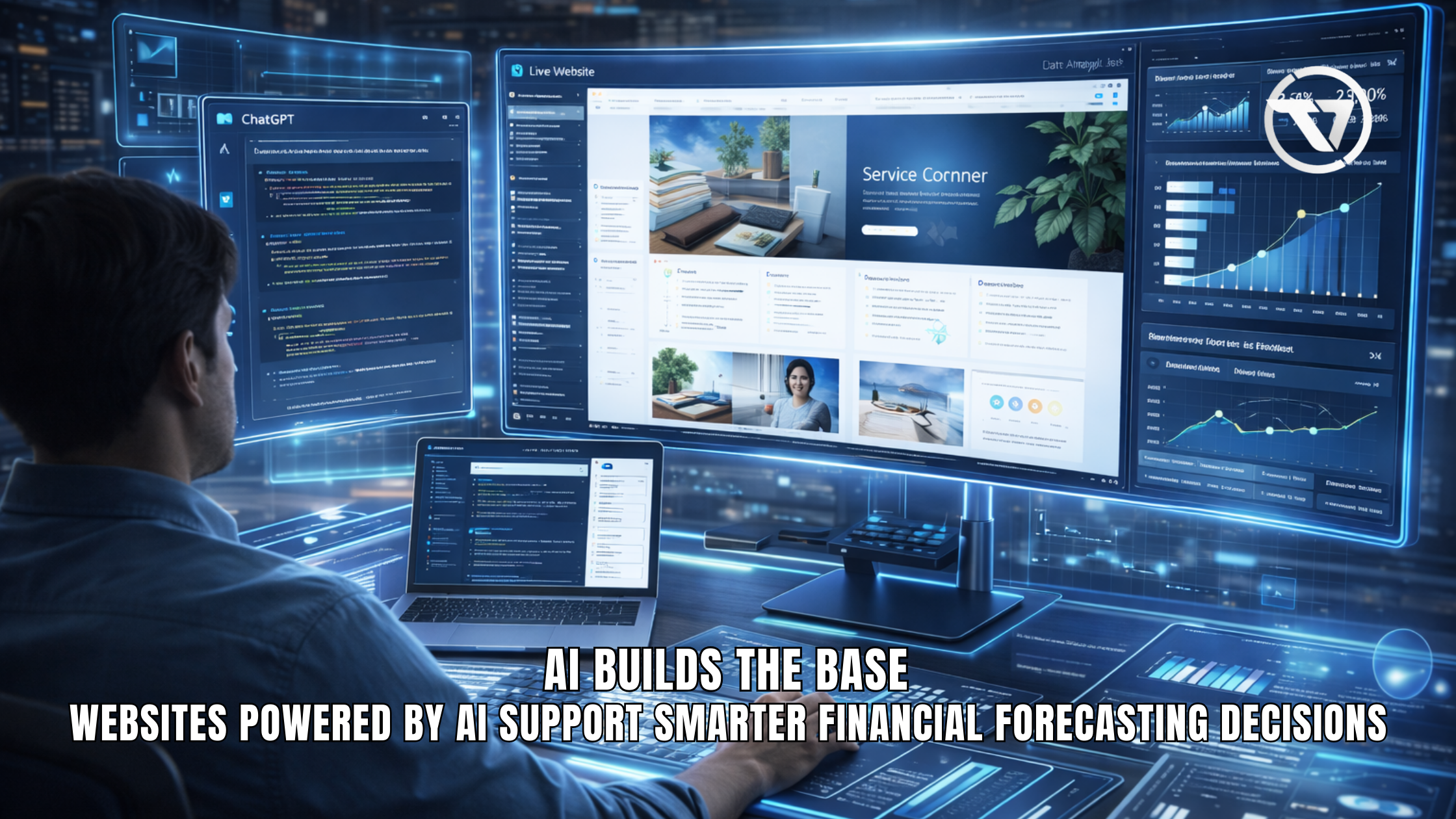
ChatGPT can help create a website, but it does not build or host a website entirely on its own. ChatGPT can generate website code (HTML, CSS, JavaScript), write content, design layouts, create WordPress pages, and provide step-by-step guidance. However, a human still needs to review the code, upload files, configure hosting, or use a website builder to publish the site live.
Can ChatGPT Actually Create a Website?
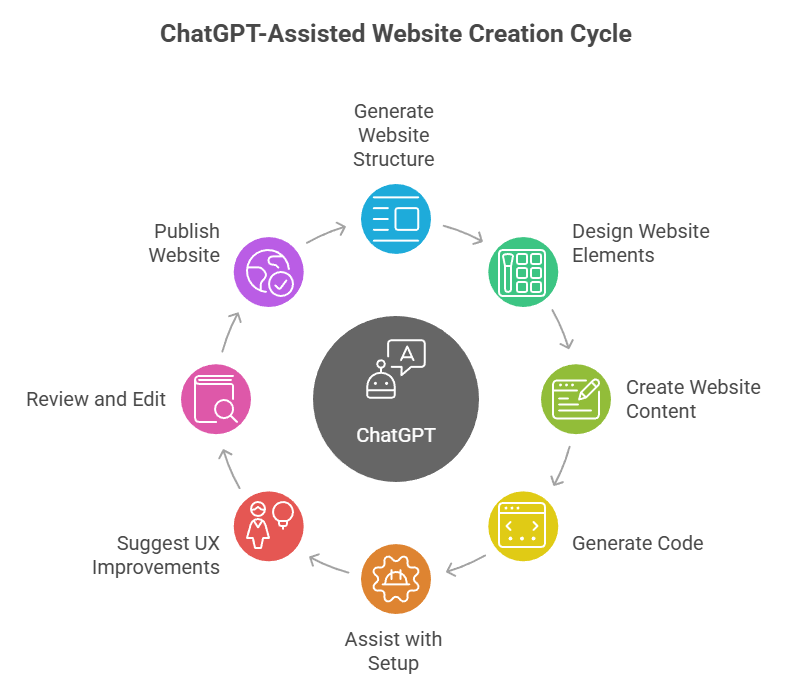
ChatGPT can create the structure, design, and content for a website — but it cannot deploy or host the site automatically. Think of ChatGPT as a website-building assistant rather than a full website builder, because it helps you generate everything you need while you or a developer put the pieces together. In fact, as of 2025, 78% of companies worldwide report using AI in at least one business function, reflecting how embedded AI tools have become in routine workflows across digital creation and operations.
ChatGPT is especially useful for creating website layouts and page structures, writing website copy and SEO content, generating HTML, CSS, and JavaScript, assisting with WordPress or Shopify setup, and suggesting UX design ideas and improvements. These capabilities dramatically reduce development time while helping beginners and professionals maintain creativity and structure. Even so, every output benefits from human review, editing, and publishing before going live.
What ChatGPT Can Do When Creating a Website
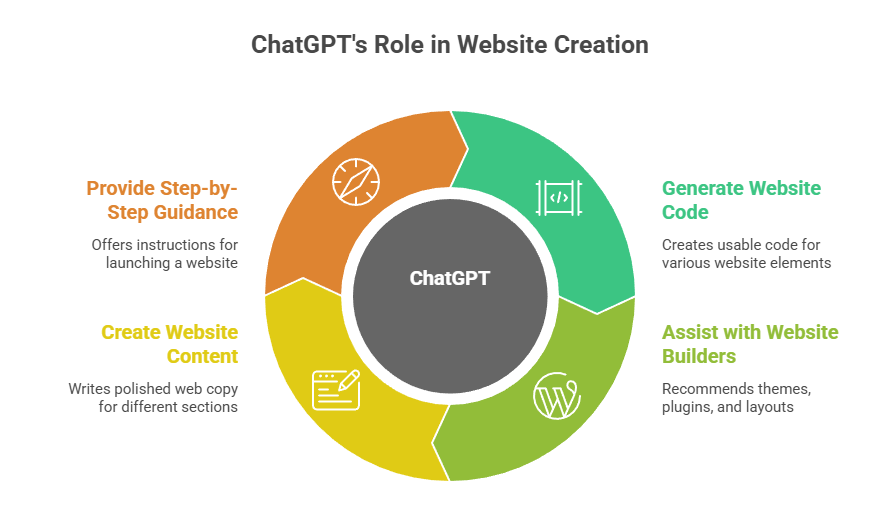
Before reviewing the specific capabilities, it is important to understand how ChatGPT contributes to the website-building process in a practical way. The tool does not replace your role but enhances your speed, creativity, and technical execution by generating structured outputs you can refine and implement. The following areas illustrate where ChatGPT delivers the greatest value when assisting with web creation tasks.
1. Generate Website Code
ChatGPT can generate usable website code for layouts, landing pages, portfolios, simple business sites, and static webpages. It produces HTML for structure, CSS for design, and JavaScript for basic interactivity, allowing you to copy the code into an editor and upload it to your hosting environment without starting from scratch. This makes it easier for beginners to experiment with code while providing professionals with a fast prototyping workflow.
2. Help Build Websites in WordPress or Page Builders
ChatGPT can support you when working in WordPress or website builders by recommending themes, plugins, layouts, and content structures that align with your business goals and design preferences. In fact, WordPress powers about 43.2% of all websites globally, making it the most widely used website platform and underscoring why tools that guide theme and plugin choices are particularly valuable.
3. Create Website Content and Copywriting
ChatGPT can write polished web copy including home page headlines, about-page narratives, service descriptions, product content, FAQs, and action-oriented calls-to-action that support conversions and brand clarity. The generated content is structured, readable, and aligned with user intent, which makes website creation faster for businesses that do not have dedicated copywriters. You can review, adapt, and customize the messaging to match tone, industry language, and organizational branding before publishing.
4. Provide Step-by-Step Website-Building Guidance
ChatGPT can guide you through the entire journey of launching a website by explaining how to choose a domain, select hosting, install WordPress or builders, upload files, configure settings, and publish your site. This guidance acts like ongoing expert instruction, helping you avoid common mistakes while gaining confidence in each step of the process. Instead of researching every detail separately, you benefit from structured, sequential direction tailored to your skill level and project type.
What ChatGPT Cannot Do When Creating a Website
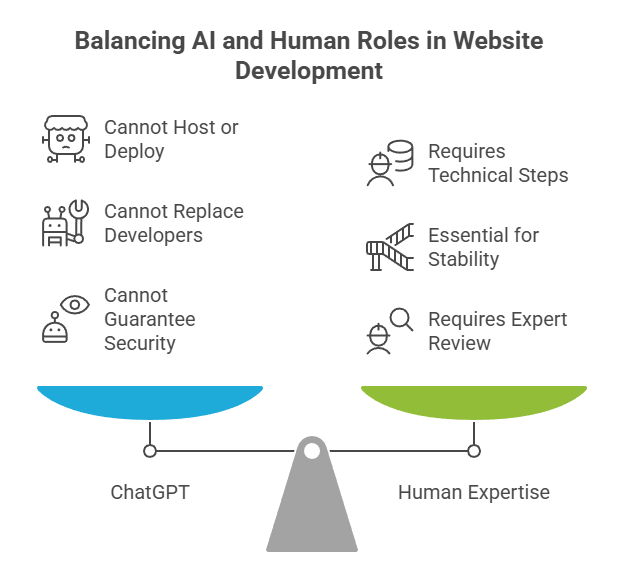
This section explains the limitations of ChatGPT in the website development process and clarifies the areas where human expertise and technical tools remain necessary. While ChatGPT can generate content, layouts, and front-end code, there are critical functions that require manual execution, infrastructure management, or professional development skills. Understanding these boundaries helps ensure realistic expectations and reduces the risk of relying on AI for tasks it is not designed to handle.
1. ChatGPT Cannot Host or Deploy a Website Automatically
ChatGPT cannot host your website, configure servers, deploy files to a live environment, or manage domains and DNS settings on your behalf. These activities require access to hosting platforms, control panels, deployment tools, and administrative permissions that operate outside the AI’s capabilities. A user or developer must still perform these technical steps to make the site functional and accessible on the internet.
2. ChatGPT Cannot Replace Professional Developers for Complex Projects
ChatGPT cannot substitute for professional engineering expertise when a project involves advanced functionality, custom software logic, integrations, or system architecture. This is important because globally, about 70% of software development projects either fail or do not meet their objectives due to unclear requirements, lack of planning, or insufficient technical expertise, highlighting the complexity and risk of projects that lack experienced technical leadership.
3. ChatGPT Cannot Guarantee Security, Performance, or Compliance
ChatGPT cannot guarantee website security, data protection, regulatory compliance, or performance optimization because these responsibilities depend on configuration, monitoring, and real-world implementation. Systems involving sensitive information, databases, transactions, or authentication require specialized tools and expert review. Human oversight remains necessary whenever a website operates at scale, manages risk, or depends on mission-critical functionality.
ChatGPT Is Enough to Build a Website
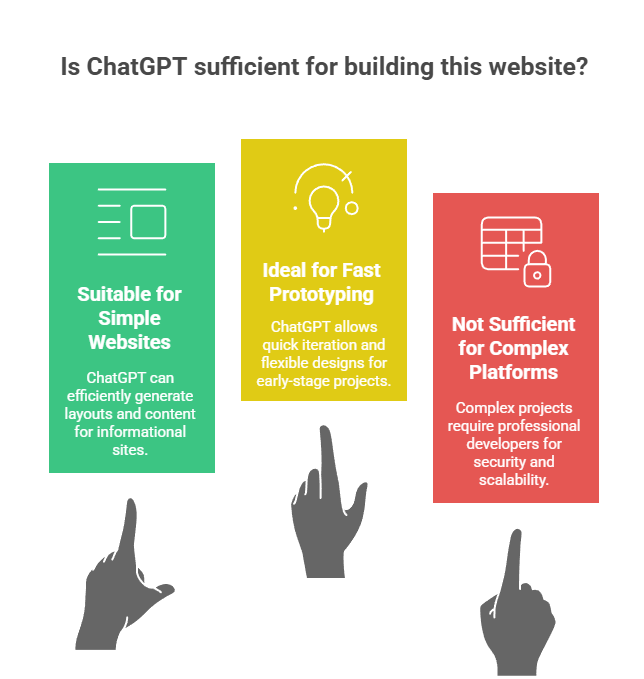
This section explains the types of projects where ChatGPT provides sufficient support to create a functional and effective website without requiring advanced technical development. The goal is to clarify the boundary between simple websites that AI can help produce efficiently and complex platforms that still require professional engineering expertise. By understanding these distinctions, users can make informed decisions about when to rely on ChatGPT and when to involve a developer.
1. Suitable for Simple and Informational Websites
ChatGPT is highly effective for simple business websites, portfolio sites, landing pages, small blogs, and static informational pages where functionality is limited and design requirements are straightforward. These websites primarily focus on presenting content, branding, and messaging rather than advanced features or dynamic system behavior. In such cases, ChatGPT can generate layouts, page structures, and copy that serve as a strong foundation for publishing a fully usable site.
2. Ideal for Fast Prototyping and Lightweight Projects
Projects that benefit from rapid content creation, flexible page layouts, and quick iteration cycles are well-aligned with ChatGPT-assisted development. Users can experiment with ideas, refine designs, and produce working drafts without engaging in deep coding or architectural work. This makes ChatGPT especially valuable for early-stage concepts, marketing pages, personal websites, and small-scale digital presences.
3. Not Sufficient for Complex or High-Risk Platforms
ChatGPT is not enough for e-commerce systems, custom software applications, large database-driven platforms, or environments where security, scalability, and compliance are critical. These projects involve integrations, transactions, performance optimization, and data protection requirements that extend beyond AI-generated guidance or front-end code. In these scenarios, professional developers and technical specialists remain essential to ensure reliability, safety, and long-term maintainability.
Advantages of Using ChatGPT to Help Create a Website
Before reviewing the individual benefits, it is helpful to recognize how ChatGPT changes the economics and workflow of website production. The tool reduces effort, shortens timelines, and supports both technical and non-technical users by combining content generation with structural design assistance. These advantages make it a valuable companion throughout planning, creation, and revision stages.
1. Faster Website Development
ChatGPT accelerates website development by generating layouts, content, and code in minutes rather than hours or days, which shortens the overall build cycle significantly. Teams can move directly from concept to prototype without lengthy drafting stages, reducing bottlenecks and improving productivity across creative and technical tasks. This speed advantage is especially valuable for startups, small businesses, freelancers, and organizations working under tight launch deadlines.
2. Lower Costs
Using ChatGPT can reduce costs because it minimizes reliance on expensive external resources for early-stage writing, prototyping, and structural design. Businesses can reserve professional developer time for only the most complex or technical tasks instead of basic drafting or layout preparation. This creates a more efficient budget model and makes website creation more accessible to organizations with limited financial capacity.
3. Easier Learning Curve
ChatGPT lowers the learning curve for beginners by explaining concepts, providing examples, and generating materials that demonstrate how websites are structured and assembled. Users can read, modify, and test outputs to gradually build understanding rather than facing steep technical barriers at the start. This makes web creation more approachable for students, entrepreneurs, and professionals transitioning into digital work.
4. Content and Design in One Place
ChatGPT integrates content generation with layout suggestions, which allows messaging, branding, and structure to be developed in harmony rather than in isolation. This unified approach reduces misalignment between design and copy while supporting cohesive user experiences across all sections of a website. The result is a more efficient workflow where structure and messaging evolve together as part of a single creative process.
5. Great for Prototypes
ChatGPT is well-suited for rapid prototyping because it enables quick drafting of concepts, early-stage mockups, and working page samples that stakeholders can evaluate before full development begins. These prototypes help teams test direction, refine ideas, and identify improvements without committing heavy resources prematurely. By accelerating feedback loops, ChatGPT supports smarter decision-making and more strategic website planning.
ChatGPT vs Traditional Website Builders
| Feature | ChatGPT | Website Builder (e.g., Wix, WordPress, Webflow) |
|---|---|---|
| Code Creation | Yes | Limited |
| Ease of Use | Requires editing | Click-based |
| Hosting | No | Built-in |
| Customization | High | Template-based |
| Technical Skill Needed | Medium | Low |
The best results often come from combining ChatGPT with a website builder, leveraging AI for planning, content, and code generation while using builders for hosting, deployment, and visual editing.
How to Use ChatGPT to Create a Website
Before beginning the hands-on process, it is important to approach website creation with clarity about goals, audience, platform, and required functionality. ChatGPT works best when you provide specific instructions, business details, and design preferences so outputs align with your objectives. The following steps outline a structured workflow you can follow from planning to launch.
Step 1 : Ask ChatGPT to Generate a Website Layout
Start by providing details about your business, target audience, visual style, and purpose so ChatGPT can generate a layout that aligns with your objectives. The more context you share, the more accurate and relevant the proposed structure, navigation, and content sections will be. This step establishes the foundation for everything that follows in the design and build process.
Step 2 : Request Code or Content
Once the layout is defined, ask ChatGPT to produce either HTML and CSS code or full website copy for the sections you plan to include. You can iterate on tone, style, and formatting to refine outputs until they match your brand identity and communication goals. This stage converts planning into tangible, usable assets for your website.
Step 3 : Paste Code into an Editor
Copy the generated code into a code editor such as VS Code, Notepad++, or a comparable development environment where you can modify and preview files. This allows you to adjust styles, fix minor issues, and verify how the site appears across different devices. Testing and refinement at this stage ensure quality before deployment.
Step 4 : Upload Files to Hosting
After reviewing the files locally, upload them to your hosting environment using cPanel, FTP, or a file manager provided by your hosting provider. This step transfers your website from your computer to a live server where it becomes publicly accessible. Proper organization, file paths, and configuration are essential to ensure everything functions correctly online.
Step 5 : Review, Adjust, and Publish
Once the website is live, test responsiveness, verify links, review page speed, and confirm that all elements display correctly across browsers and devices. Make necessary edits using feedback, analytics, or user testing insights to refine performance and usability. When everything meets expectations, finalize the site and proceed with promotion and ongoing maintenance.
TaskVirtual: Your Partner in Website Support and Virtual Development Assistance

This section highlights how TaskVirtual complements ChatGPT-assisted website creation by providing professional virtual assistance for tasks that require organization, implementation, and ongoing operational support. Many individuals and businesses benefit from AI-generated content and layouts but still need human assistance to manage execution, coordination, and maintenance activities. TaskVirtual bridges this gap by offering dedicated ChatGPT-assisted website creation services that streamline workflows and ensure websites are developed, updated, and managed efficiently.
1. Expert Website Assistance and Implementation Support
TaskVirtual’s skilled virtual assistants help manage website setup tasks, coordinate content uploads, organize page structures, and support basic site configuration across popular platforms. They assist clients in reviewing AI-generated outputs, refining details, and ensuring that layouts, copy, and visual elements are implemented accurately and consistently. This combination of human assistance and AI support creates a smoother development process and reduces the risk of technical or structural errors.
2. Affordable and Flexible Virtual Assistant Pricing
Hiring in-house staff can be costly, but TaskVirtual offers a cost-effective alternative. Pricing plans range from $3.12/hour to $14.99/hour, making professional VA support accessible to solo agents, teams, and brokerages at every growth stage. This pricing structure makes professional website assistance more accessible while maintaining financial control and operational efficiency.
3. Comprehensive Website Management and Support Solutions
TaskVirtual provides scalable support services ranging from content updates and layout modifications to plugin coordination, blog publishing, and routine website maintenance activities. Their virtual assistants adapt to evolving project requirements, whether the client needs occasional help during development or ongoing support after launch. This versatility enables businesses to maintain consistent website quality without overextending internal resources.
4. Continuous Coordination and Quality Assurance
TaskVirtual goes beyond task execution by offering proactive coordination, progress tracking, and communication support throughout the website lifecycle. Their teams help monitor updates, verify changes, and ensure that deliverables align with project goals and brand guidelines. This structured oversight enhances reliability, reduces rework, and supports a more organized and professional development workflow.
5. Proven Reliability and Client Confidence
With 364 positive reviews and a 4.7-star rating on trusted VA platforms strong client feedback and a demonstrated track record across global projects, TaskVirtual is recognized as a dependable partner for website support and virtual assistance services. Clients value their professionalism, responsiveness, and ability to integrate seamlessly into ongoing digital initiatives without disrupting operations.
Final Answer: Can ChatGPT Actually Create a Website?
Yes — ChatGPT can help create a website by generating code, content, layouts, and instructional guidance, making the process faster, more efficient, and more accessible. However, it does not publish, host, or fully automate website development on its own, and human oversight remains necessary for deployment, accuracy, quality, and advanced technical work. The best approach is to use ChatGPT alongside website builders, human designers, developers, and content editors to create smarter, faster, and more cost-effective websites.
FAQ: Can ChatGPT Create a Website?
1. Can ChatGPT build and publish a complete website automatically?
No. ChatGPT can generate code, layouts, and content, but deployment, hosting configuration, and publication still require manual execution by a user or developer.
2. Can beginners use ChatGPT to create a website?
Yes. Beginners can follow ChatGPT’s guidance and combine it with WordPress or no-code builders to assemble and publish functional websites with minimal technical experience.
3. Can ChatGPT create an e-commerce website?
ChatGPT can assist with page structure, product descriptions, layout guidance, and content strategy, but full e-commerce functionality requires additional tools, plugins, payment systems, and technical configuration.
4. Does ChatGPT replace professional web developers?
No. ChatGPT complements developers by accelerating drafting and prototyping, but complex projects, integrations, performance optimization, and security still require professional expertise.
5. Can ChatGPT generate mobile-responsive website code?
Yes. When prompted to follow responsive design best practices, ChatGPT can generate layouts that adapt across screens, though real-world testing and refinement are still recommended.
 Siddhartha Basu is a Technical Writer at Task Virtual. He loves online games, e-book reading, and Yoga.